
Resilient restaurant design means building flexibility into the space so it can adapt when circumstances change. Flexible seating, dedicated takeout zones, movable partitions, and private nooks are the core elements.
2020 taught restaurant owners a lot of tough lessons, even ones nobody could have prepared for. One of the biggest takeaways was the importance of being able to adapt to situations as they arise.
Many restaurants have shown exactly that ability by incorporating resilient design into their layouts. During a period that made it hard for even stable businesses to stay afloat, restaurants showed real creativity, and communities came together to support them.
Restaurants adapted by switching to delivery and takeout centric models, creating outdoor dining spaces, changing their interior design to meet guidelines and promote safety, and finding creative ways to sustain revenue.
This post outlines restaurant interior design tips that help you create a beautiful space while keeping the flexibility to adapt to whatever comes.
1. How Do You Create Flexible Seating and Displays?
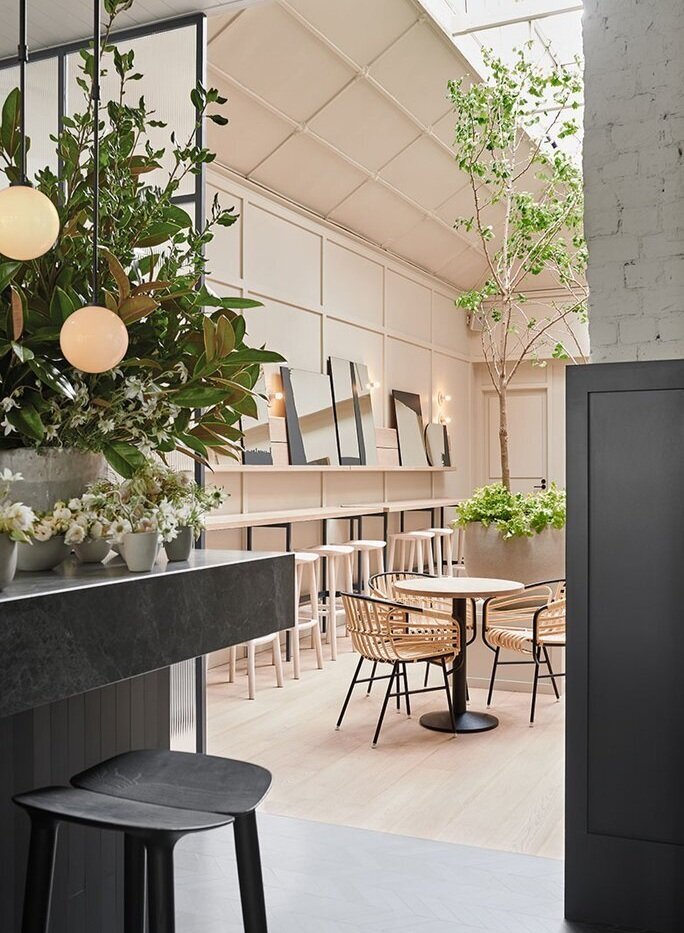
Flexible seating and displays let you reconfigure the room as needs change, which is why they sit at the centre of resilient design. Most restaurants already do some version of this if the layout allows.
The need for flexibility was highlighted by social distancing requirements in restaurants and commercial spaces, but it matters at all times, not only during a crisis.
When design is done well, it should have the flexibility to change and adapt to accommodate whatever new situations arise.
2. Why Should You Have a Designated Takeout and Delivery Area?
A designated pickup area reduces crowding at the front of the restaurant and improves the experience for waiting customers. It supports social distancing, but it is useful at all times regardless.
With takeout and delivery on the rise, the industry has recognised the value of a dedicated space for these orders.
If your restaurant layout allows, a genuine takeout window is one of the best options. Turn a regular window into a space where people collect online orders or make a quick purchase as they pass by. Outdoor diners can use it to place orders too, which speeds up service.
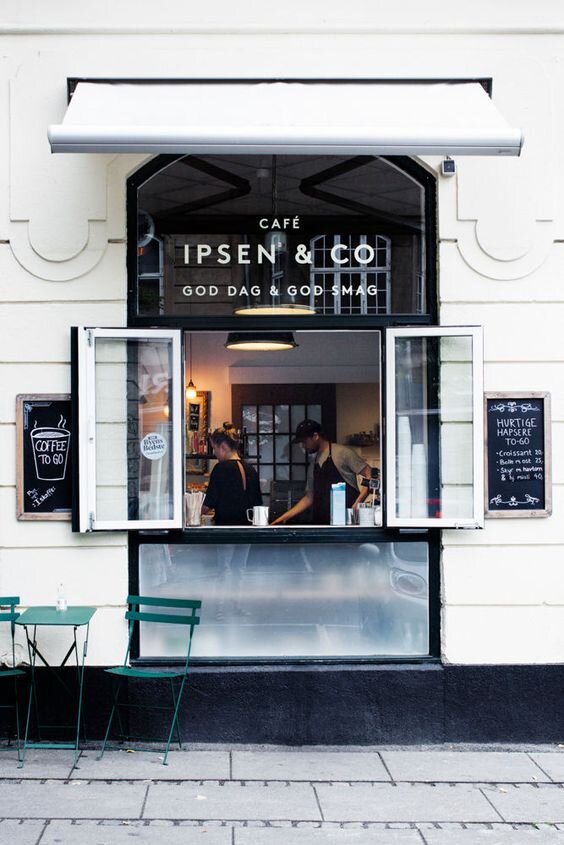
Source: Katrín Björk domino.com
3. How Do Moveable Partitions Work in a Restaurant?
Moveable glass dividers create clear separation between diners without making them feel boxed in, and they can be repositioned as seating arrangements change. Tracks or wheels at the base make them easy to move.
The ability to move partitions is the key point. If tables need to be pushed together for a large family, the barriers move to fit the new arrangement.
Partitions do not have to be plain. Fluted or reeded glass makes an architectural statement while creating privacy for diners, and it still lets light through so the room feels open.

Source: Satkartar Glass
4. What Can You Do With Empty Space Between Tables?
Empty space between tables can hold something interesting rather than sitting bare. A plant or prop between tables works, and some restaurants have gone further with seated mannequins.
Implementing social distancing does not have to be dull. Maison Saigon used stuffed pandas, which is a good example of treating a constraint as a design opportunity.
If you are looking for more creative ideas and strategies for your space, hiring an interior designer will help.

5. Should You Add a Display at the Entrance?
A display at the entrance or waiting area turns waiting time into an opportunity for impulse purchases.
Take home meal kits or sauces
Gift cards
Branded merchandise
Home & kitchen goods
Treats or goodies
With limits on how many people can be inside and more customers ordering takeout, people are likely to be waiting at the entrance longer than usual.
The ideas are endless here, and it is one of the more enjoyable elements to plan.

Source: Yellow Trace
6. Why Hand Out Free Samples to Customers Waiting in Line?
Free samples keep waiting customers engaged and reduce the chance they leave the queue. A cup of coffee or tea while they wait outside is especially welcome during Toronto winters.
Capacity restrictions and social distancing have meant long wait times at many restaurants, coffee shops, and bakeries.
Beyond making the wait more pleasant, it helps keep people in line longer than they might otherwise stay.

7. How Can Social Media Drive Foot Traffic?
Social media brings people to your door through flash deals, giveaways, and window display activities. It is where most people look to learn about a business, alongside Google.
One approach is announcing that the first fifteen people at your restaurant on a given day get something free. This spreads word about the business and grows your social presence.

8. How Do You Infuse Your Story Into the Space?
Your interior design should be intentional and reflect your brand rather than following a generic template. Infusing your story through elements, finishes, and spaces is what creates moments of awe.
Unless you are a local shop with deep community roots, most restaurants need to stand out through their interior design. That does not mean wild colours on every wall.
The design of your restaurant has to tell a compelling story. Working that story through the details is the most effective way to improve a restaurant interior.

Source: Paprica Burgers in Brazil
9. What Are Dining Pods and Private Nooks?
Pods and private nooks separate diners while creating a more intimate dining experience. They support social distancing, and they remain valuable afterwards for privacy and atmosphere.
This type of seating creates privacy and a more intimate setting, which many guests prefer regardless of circumstances.
Restaurant Fabbrica in Bergen shows an exaggerated version of what pods can look like, but the principle scales down. You can have fun with the layout to make the room feel safer and cosier.

Source: Restaurant Fabbrica in Bergen
Final Thoughts on Resilient Restaurant Design
Resilient design comes down to building adaptability into the space from the start, through flexible seating, dedicated zones, movable elements, and a layout that can shift.
2020 was a tough year for everyone, and Covid-19 was especially difficult for the restaurant industry. Through it, the resilience restaurant owners and staff showed was remarkable.
Incorporating these tips into your restaurant interior design lets you welcome guests safely and in style, whatever comes next.
If you are based in Toronto or the GTA and looking for restaurant design assistance, we can help. Sansa Interiors was born out of a passion for creating spaces that are comfortable, functional, and inspiring. We take a holistic approach, studying and exploring each interior space differently. Every client is unique, and every design should be too.
Looking for Restaurant Design Help in Toronto?
Sansa Interiors designs restaurants and cafés across Toronto, Etobicoke, Mississauga, and the rest of the Greater Toronto Area.