
Why Sustainability in Interior Design Matters…
At Sansa Interiors, we believe that every space has the power to influence how people feel, work, connect, and move through the world. Today, creating truly meaningful environments requires more than beautiful finishes and stylish furnishings. It requires responsibility. Sustainability has become a fundamental pillar of modern design as well as an essential strategy for future proofing. For commercial clients, sustainable design offers far more than environmental benefits: it reduces long term operation costs, improvements to occupant health and wellbeing, increases property value, and ensures that the space meets the expectations of today’s consumer, who increasingly prioritize eco conscious businesses.
For us in the industry, sustainable design encompasses a strategic approach to performance, longevity, and human well being. It strengthens brand perception, attracts conscious consumers and tenants, cuts operational costs, and future-proofs investments in an ever-evolving market. Most importantly, it is a commitment to building environments that are healthier for the people who use them and the planet that supports them. Sustainability should be at the heart of any forward thinking project.
Before we explore the impact of sustainable design, we should clarify what sustainability in design actually means!
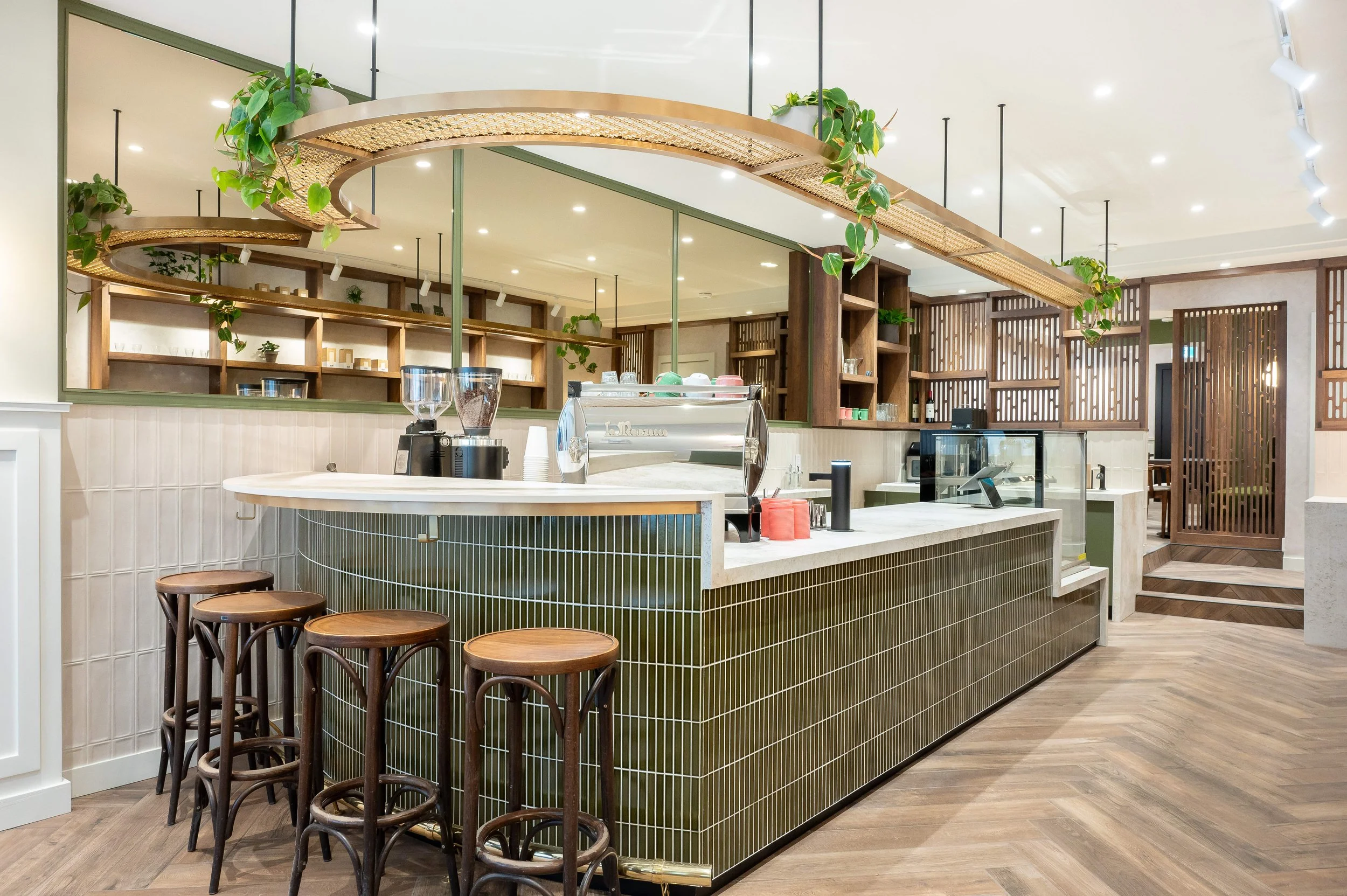
What is Sustainability in Interior Design
A sustainable approach focuses on long lasting materials, energy efficient systems, and thoughtful construction methods that reduce waste and ongoing maintenance, ultimately lowering operational costs and extending the life of your investment.
At its core, sustainability in interior design is about minimizing environmental impact by making choices that preserve resources, promote well being, and support long term ecological balance. A sustainable material is one that meets the following criteria:
Responsibly sourced, ethical production
Low waste or recycled content
Durable and long lasting
Low chemical emissions
Energy efficient manufacturing
Ability to be reused, repaired, or recycled
Sustainable design considers the full lifespan of materials: from extraction and production, to installation, use, and eventual disposal. This is different than selecting “green” materials
Green Design vs. Sustainable Design
Although used interchangeably, green design and sustainable design are not identical. Green design focuses on reducing environmental harm at face value. It often refers to choices that are labelled non-toxic, recycled, and energy efficient.
Sustainable design refers to the holistic, long term view that evaluates the entirety of the product itself: its material origins, lifespan, daily use, durability, maintenance requirements, and end-of-life impact. In other words: all sustainable design is green, but not all green design is truly sustainable
Sustainable design draws from decades of environmental research, ecological theory, and global initiatives focused on climate change and resource conservation. The philosophy grew from concerns about unchecked industrial growth and its long-term consequences. Then, architectural practices accounted for almost half of the global resource consumption. Organizations like the United Nations further influenced the movement with a framework aimed at defining responsible consumption and environmental stewardship.
Today, sustainable design is shaped by certifications like LEED (Leadership in Energy and Environmental Design). These systems provide measurable criteria for reducing environmental impact and improving human health, pushing the design world toward smarter, more accountable practices. Achieving LEED certification increases property value, improves tenant appeal, and demonstrates commitment to environmental stewardship.
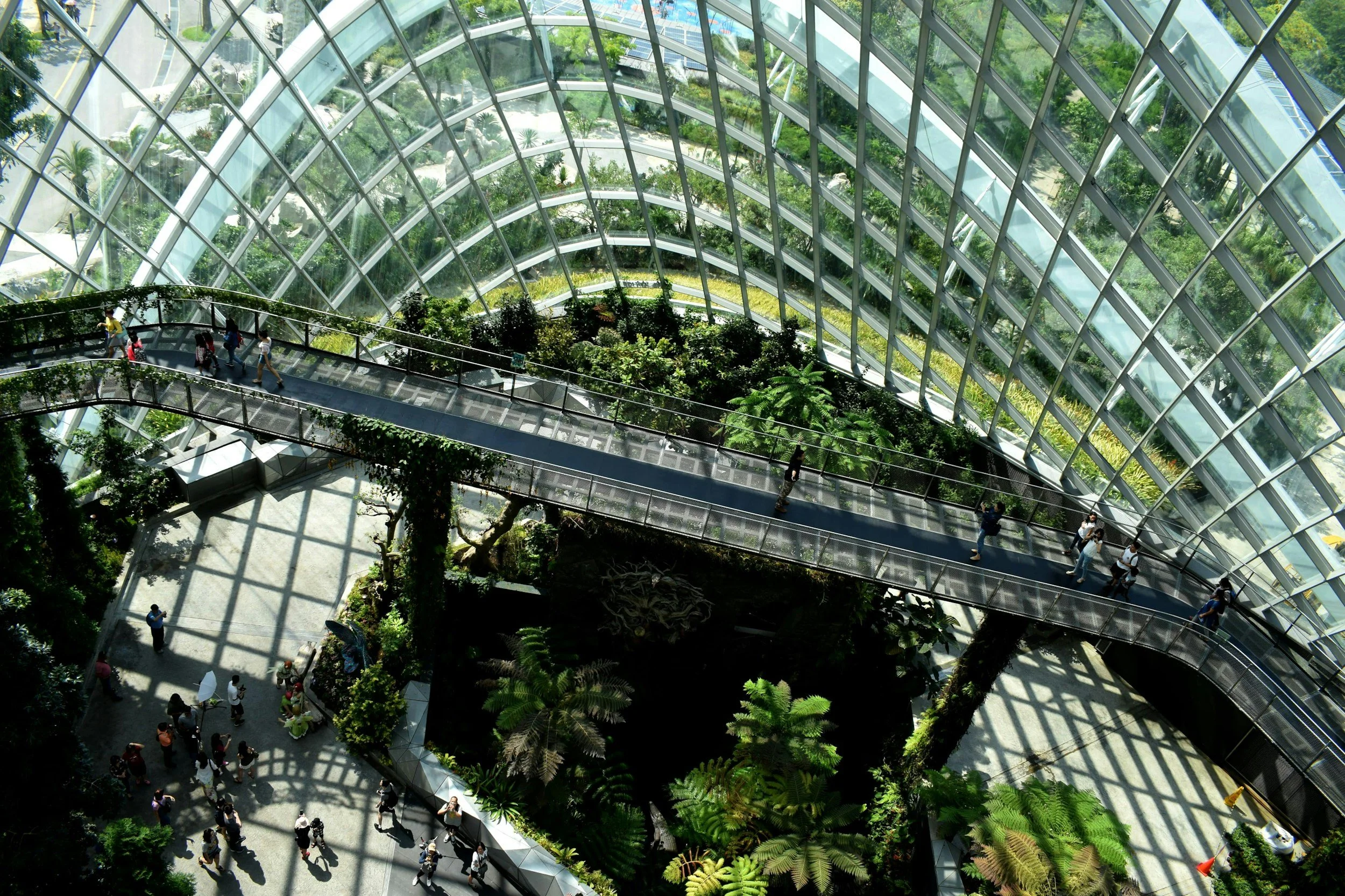
Image by: Paula Prekopova
Why Sustainable Design is Important
Over the last decade or so, sustainability has moved from “nice to have” features to a core expectation in commercial interiors. Tenants and investors want a space that not only looks beautiful, but one that is smarter, healthier, more responsible. Sustainable interior design is about creating environments that maximize long term performance and minimize negative environmental impact.
1. Sustainability Supports Long Term Financial Value
A sustainable approach focuses on long lasting materials, energy efficient systems, and thoughtful construction methods that reduces waste and ongoing maintenance. A big misconception is that sustainability will increase project costs. While it may mean some higher upfront costs, smarter material choices and energy efficient specifications reduce operational expenses and extend the life of your investment.
Reduce Energy Expenses
Energy efficient and programmable lighting and HVAC systems, high performance window treatments, and smart control technology significantly reduce monthly utility expenses. For businesses operating long hours, or landlords covering utilities, this has a direct impact and immediate financial benefits.
According to industry research, an energy efficient interior can reduce energy usage by 20-40% depending on the scale of the project. Over years of operation, those savings compound.
Higher Property Value and Faster Leasing
Commercial tenants and buyers are prioritizing responsibly designed spaces, as they are healthier, more efficient, and more appealing to customers and employees. A sustainable interior can justify higher lease rates and accelerate occupancy, especially in competitive urban markets. For real estate professionals, a space designed with sustainability in mind becomes an easy sell and a compelling asset.
2. Creating Healthier, Human-Centered Interiors
The interior environment has a significant impact on how people feel and perform. Poor air quality, chemical heavy finishes, insufficient lighting, and inefficient layouts can lead to fatigue, headaches, reduced focus, and overall discomfort. These issues are directly addressed with sustainable interior design practices, and are known to boost employee well being and enhance productivity by lowering stress levels.
Improved Indoor Air Quality
Many conventional materials (paint, adhesive, carpet, composite wood) emit volatile organic compounds (VOCs) that offgas and pollute indoor air. Sustainable design prioritizes low-VOC paints and finishes, natural materials, toxin free furnishings, and proper ventilation strategies to reduce these pollutants and promote an overall healthier environment with fewer allergens and irritants..
Biophilic Design
Sustainability can also mean embracing natural elements. Exposure to natural light, greenery, organic textures and patterns, and water features has been shown to reduce stress, improve productivity, and enhance mood. These elements create spaces that people instinctively feel connected to, simultaneously increasing perceived value.
Create a sustainably designed restaurant, café or home
Sansa Interiors is Toronto’s premier holistic interior design studio. We’d love to help!