
Alba
Italian-Inspired Restaurant in Toronto
A Contemporary Dining Space Shaped by Craft, Warmth and the Theatre of Cooking
Alba Restaurant is a modern Italian dining space designed to bring people closer to the experience of food. Located in Toronto, this restaurant interior design project transforms a compact and constrained layout into an open, engaging environment centered around the energy of cooking. The design embraces visibility, allowing guests to connect with the rhythm of the kitchen and the craft behind each dish.
The result is a space that feels both energetic and comfortable, where guests can gather, observe, and connect with the environment around them. Alba is not defined by a single feature, but by the seamless way in which design, function, and atmosphere come together to create a refined and memorable dining experience.
City: Toronto
Property Size: 1,500 sf
Timeline: 10 Months
Budget: $650,000
The Design Approach
Shaping the Experience
The design approach for Alba Restaurant focuses on transforming a compact commercial space into an open, experience-driven environment that enhances both functionality and guest engagement. For a restaurant interior design project in Toronto, the strategy prioritized spatial efficiency while creating a strong visual identity centered around interaction and flow.
As part of our broader approach to commercial interior design, the focus was on creating a space that balances operational efficiency with a refined guest experience.
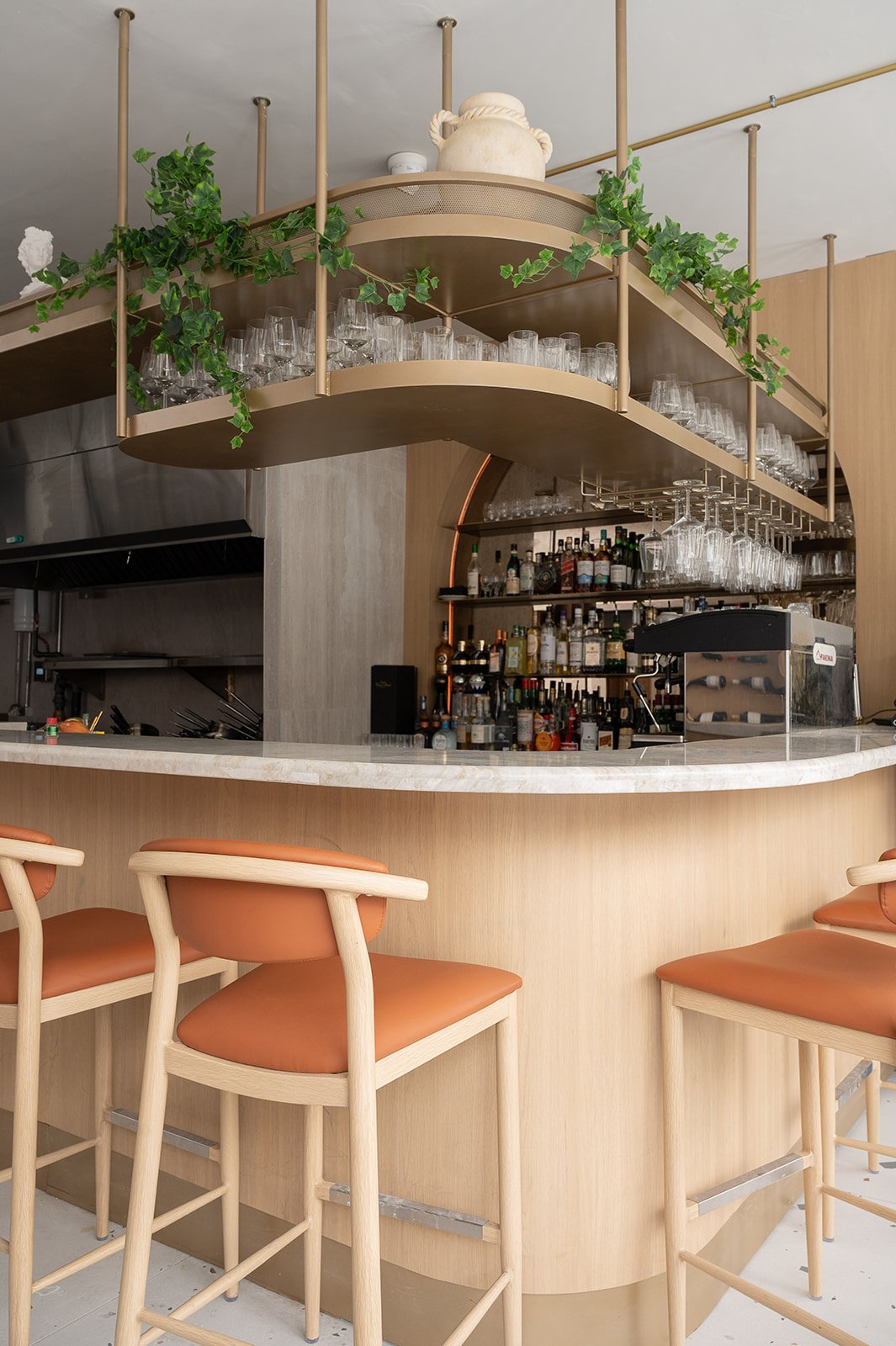
The layout was reimagined to establish a central experiential spine, where the bar and open kitchen act as the heart of the space. Instead of concealing operations, the design brings them forward, allowing guests to connect with the energy of cooking. This approach not only enhances the dining experience but also encourages longer engagement and interaction.
To address the limitations of a small footprint, open ceilings were introduced to create vertical expansion, while a cohesive palette of warm wood, textured plaster, and earthy flooring ensures visual continuity. Strategic lighting layers define different zones without enclosing them, maintaining an open and airy feel throughout.
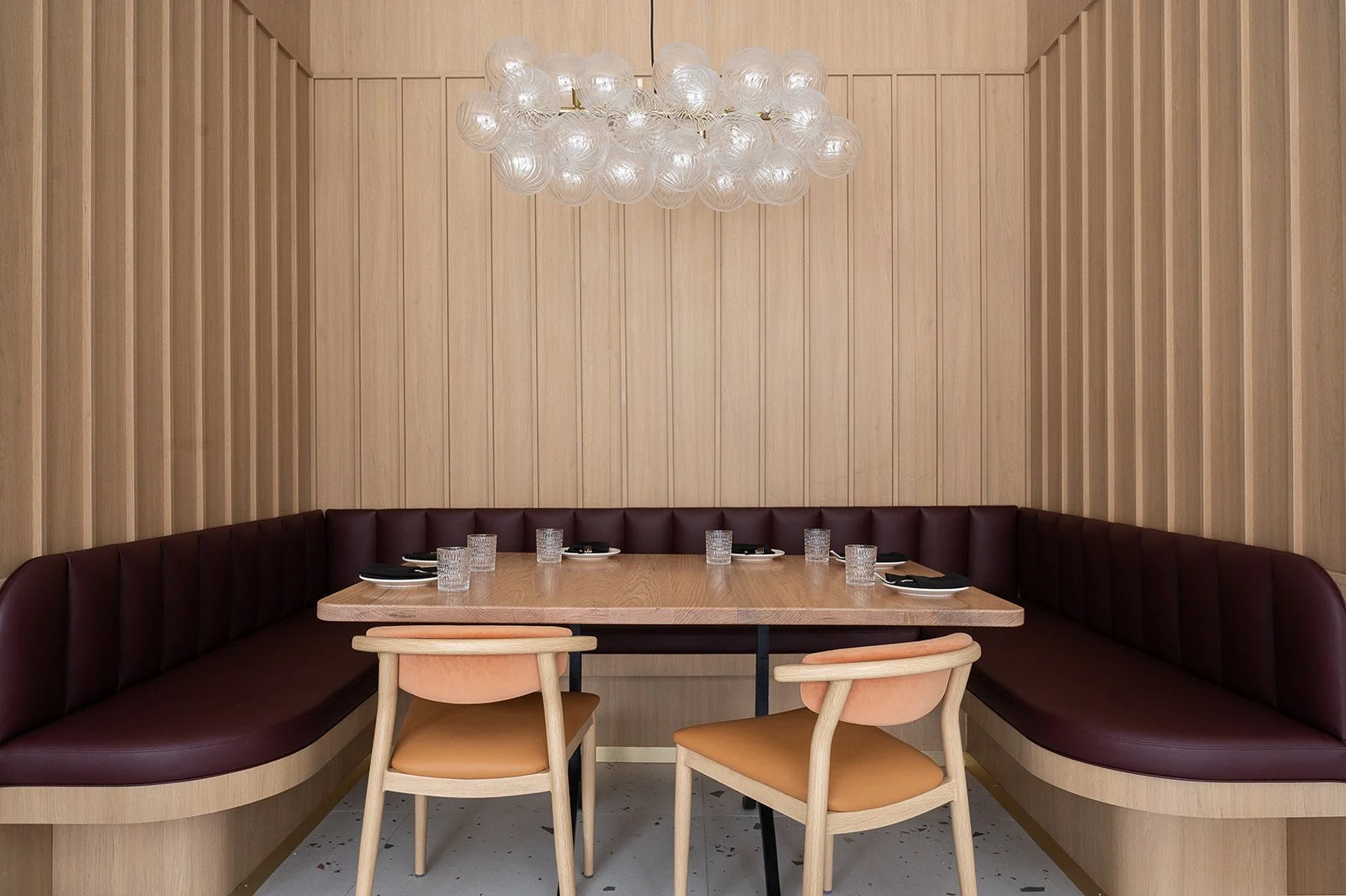
Seating was carefully planned to accommodate a range of dining experiences, from social bar seating to intimate banquette areas. The result is a restaurant interior that balances aesthetics with performance, delivering a seamless blend of atmosphere, efficiency, and guest experience.
Design Concept
The Art of Cooking
The concept for Alba Restaurant is centered around the theatre of cooking, where the act of food preparation becomes a visible and integral part of the dining experience. This restaurant interior design approach transforms the kitchen from a back-of-house function into a focal point that enhances interaction, transparency, and engagement.
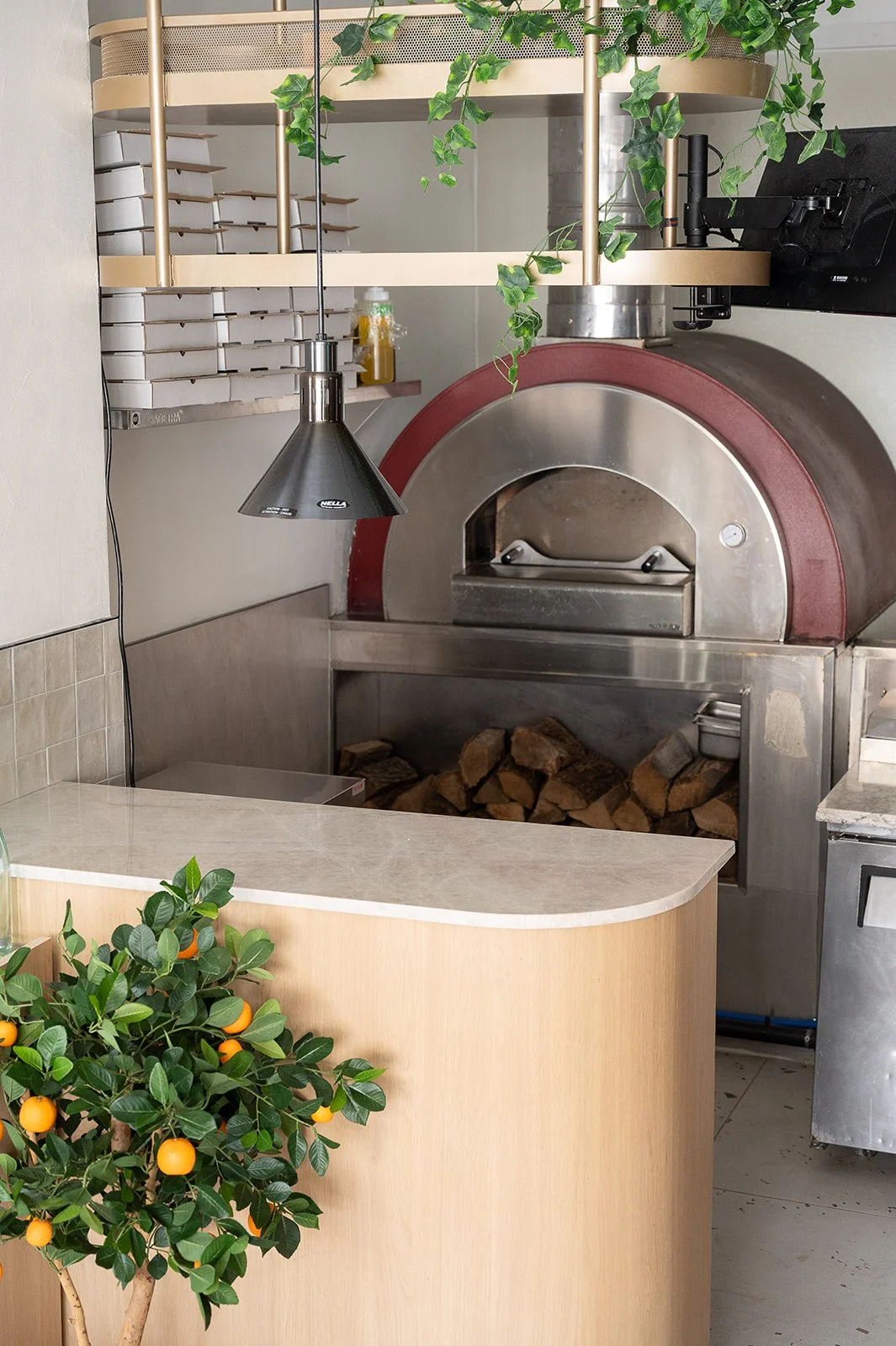
At the heart of the concept is the open kitchen and pizza oven, positioned strategically to draw attention and create a sense of movement within the space. Guests are invited to observe the process, creating a connection between the food, the chefs, and the overall environment. This visibility builds trust while adding an element of performance that elevates the dining experience.
The concept also responds to the constraints of a small restaurant layout by focusing on flow and layering. The space transitions from a lively, interactive front area to more intimate seating zones, allowing for a range of dining experiences within a compact footprint. This layered approach ensures that the space feels dynamic rather than restricted.
Rather than relying on a specific cultural narrative, the concept is driven by atmosphere and behaviour. It is designed to influence how guests feel, encouraging them to stay longer, engage more deeply, and ultimately enhance their overall dining experience.
Refined Material Story
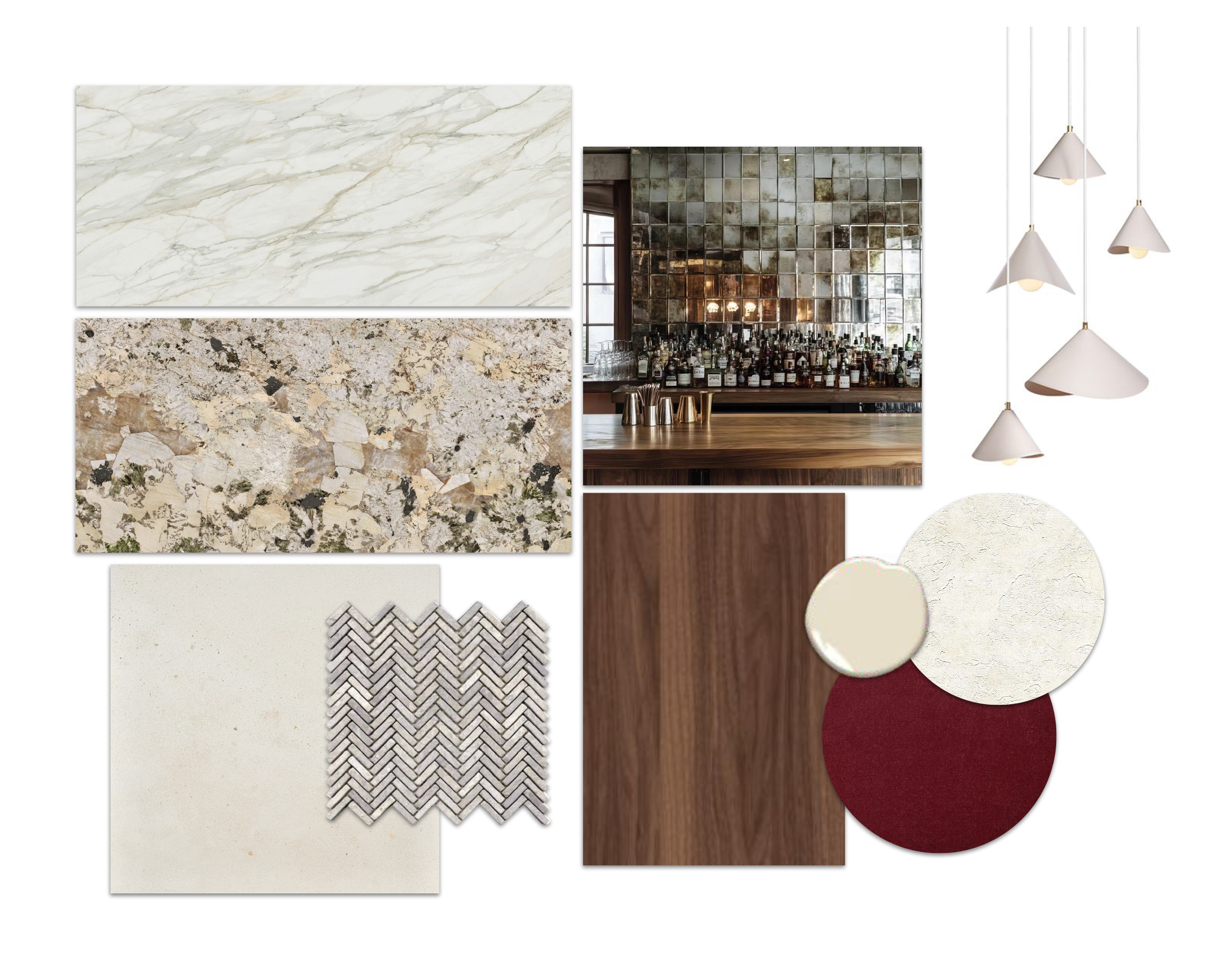
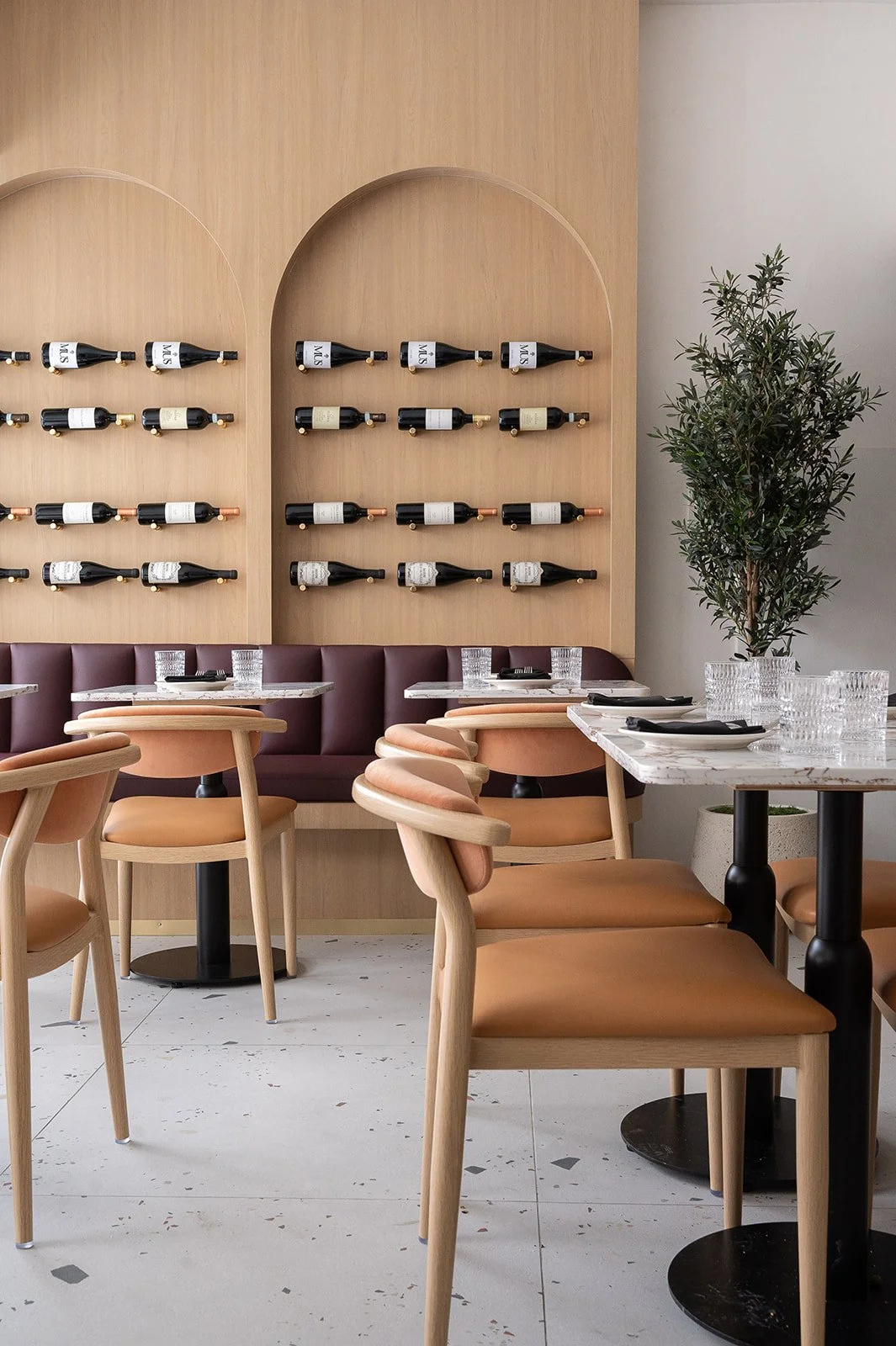
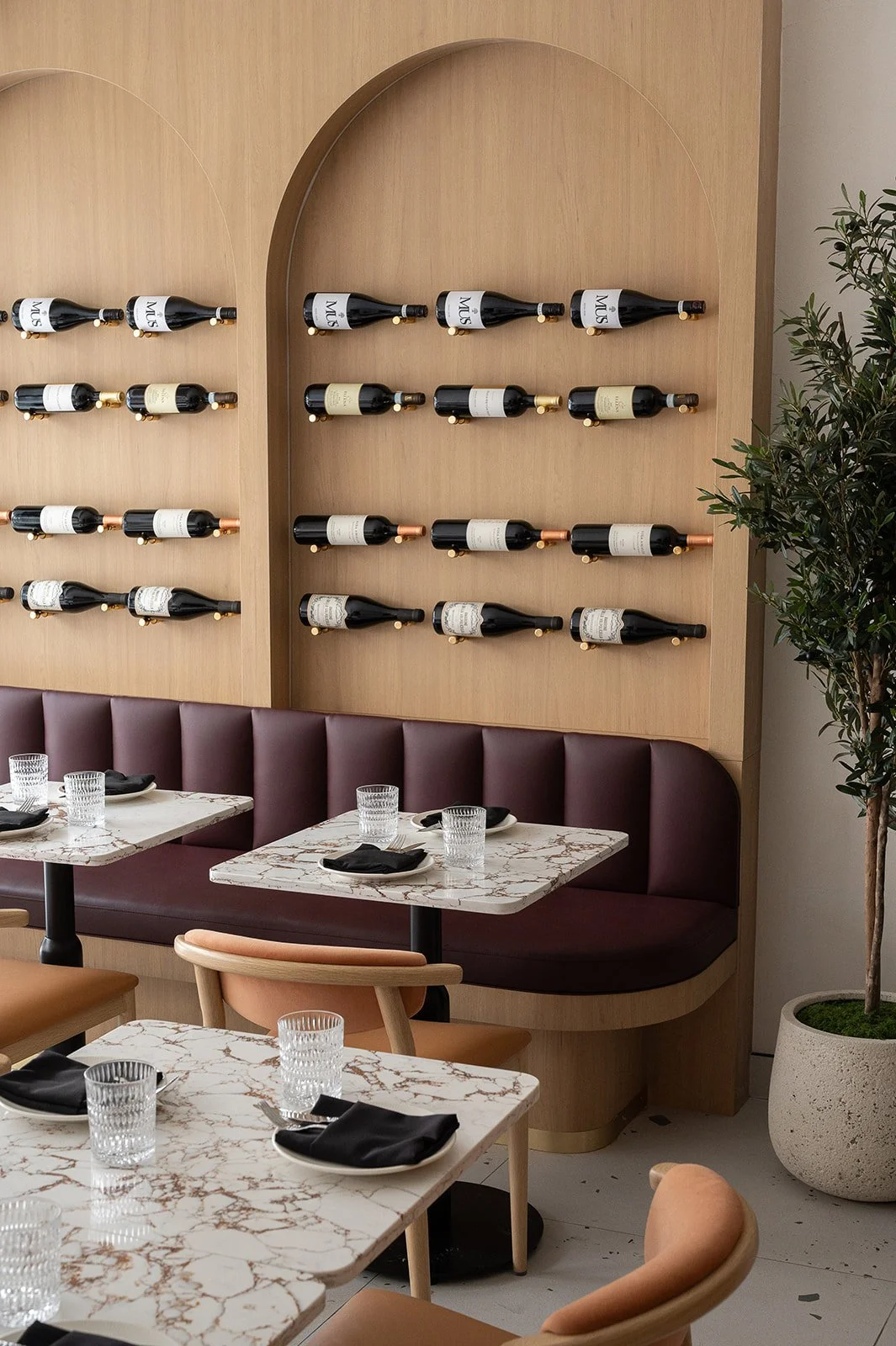
The mood for Alba Restaurant establishes a refined and cohesive material palette that reflects a modern Italian restaurant interior design approach. Rooted in warmth and texture, the selection of finishes balances natural elements with subtle detailing to create a space that feels both inviting and elevated.
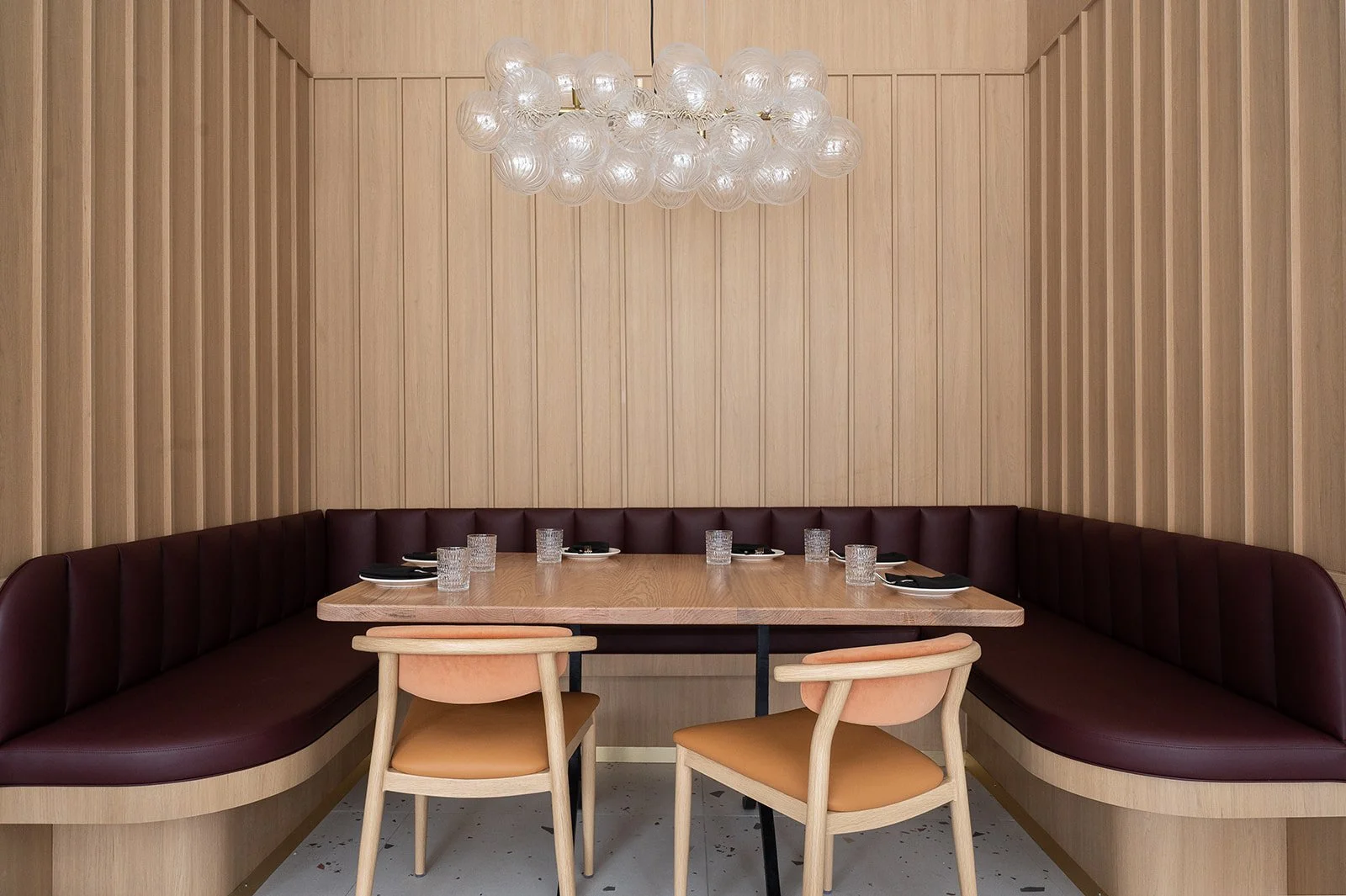
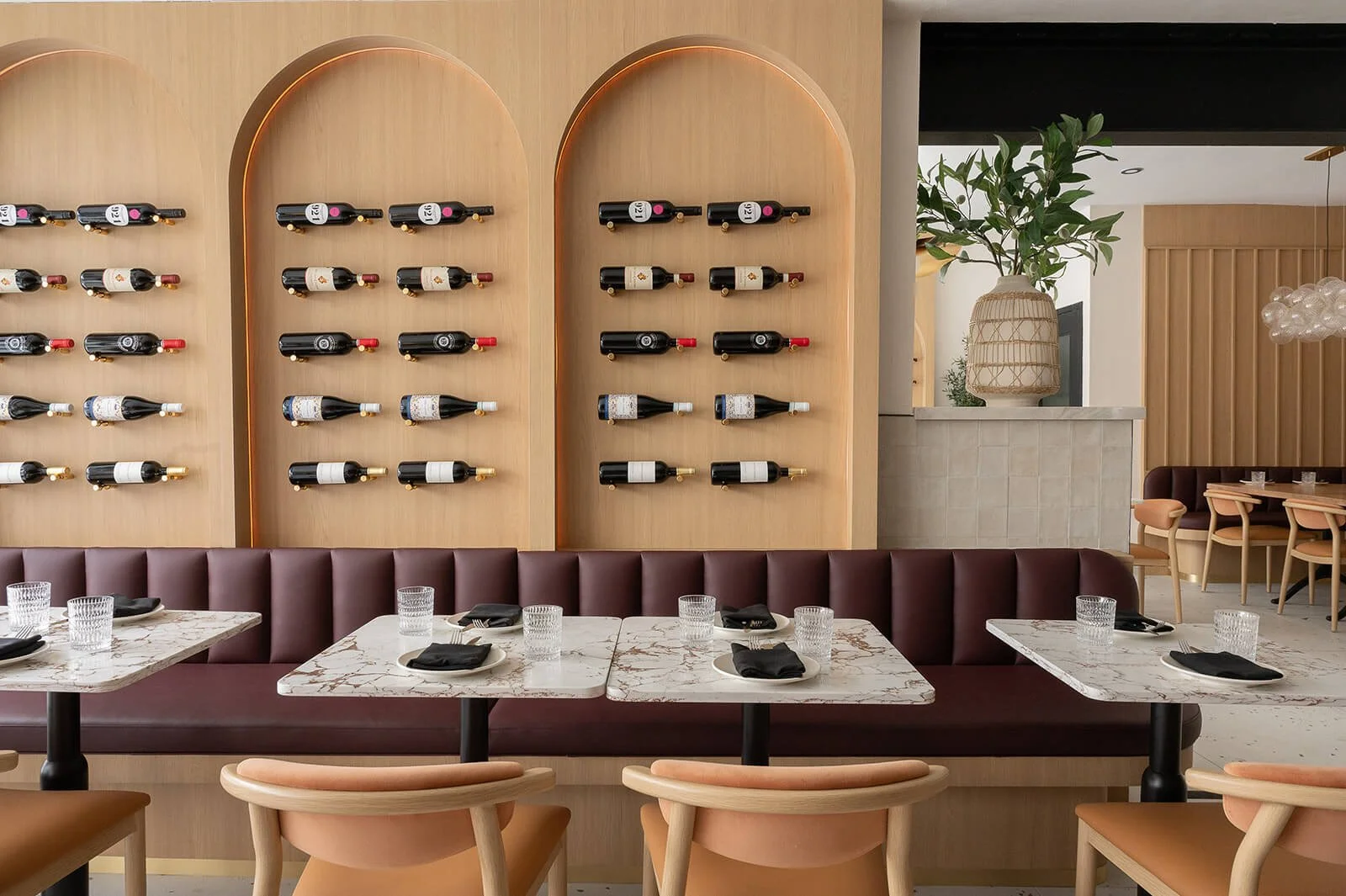
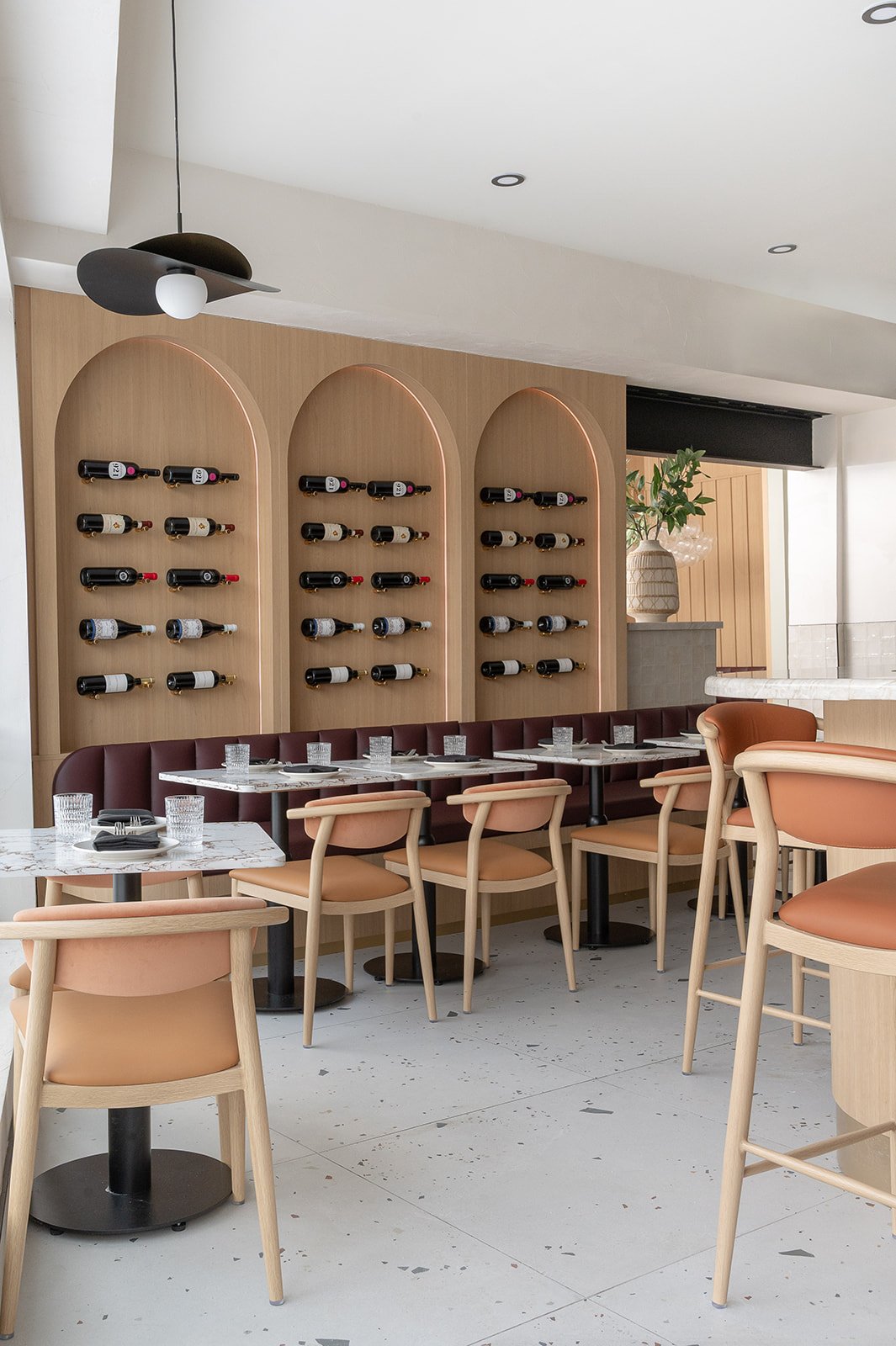
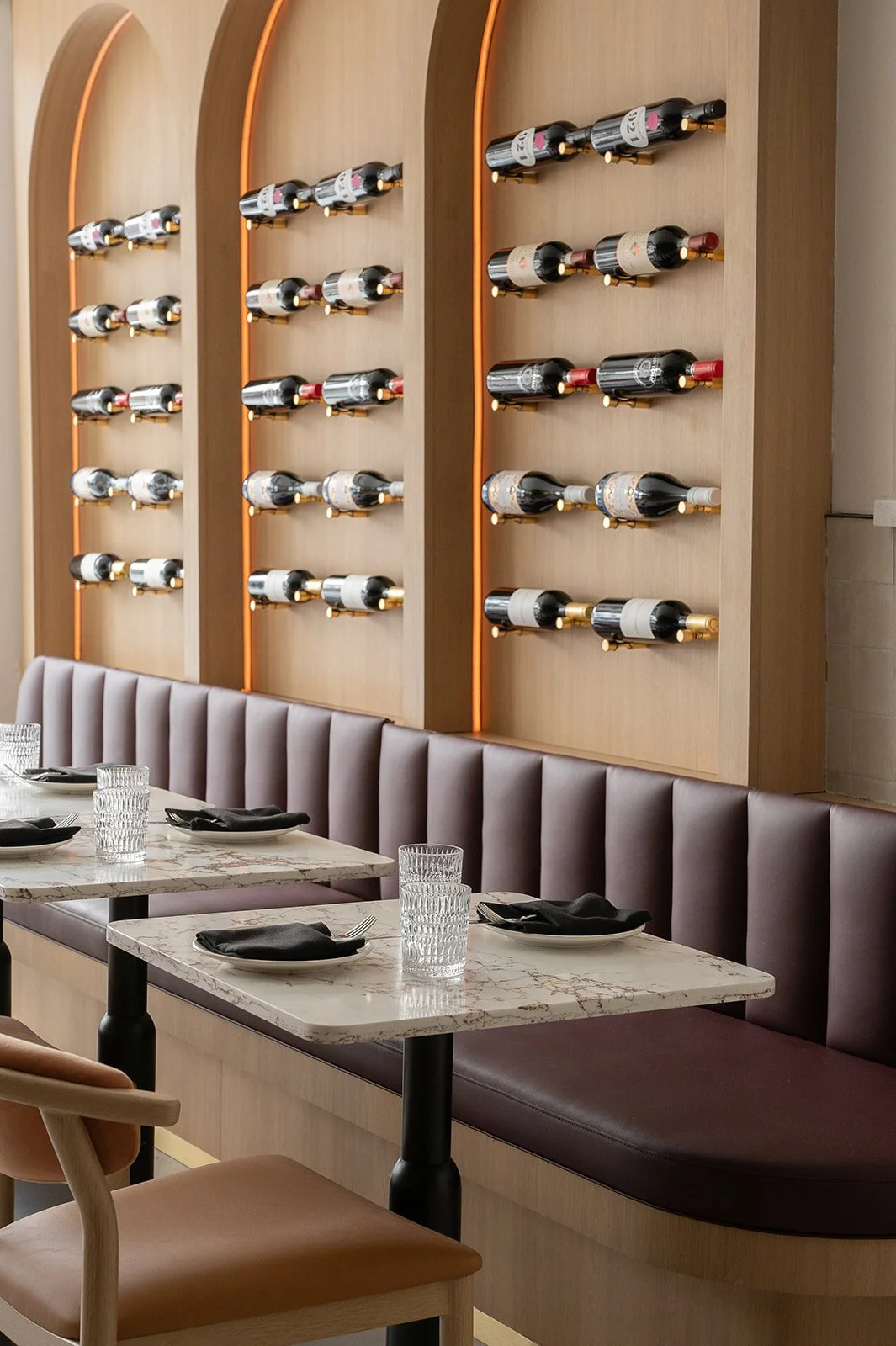
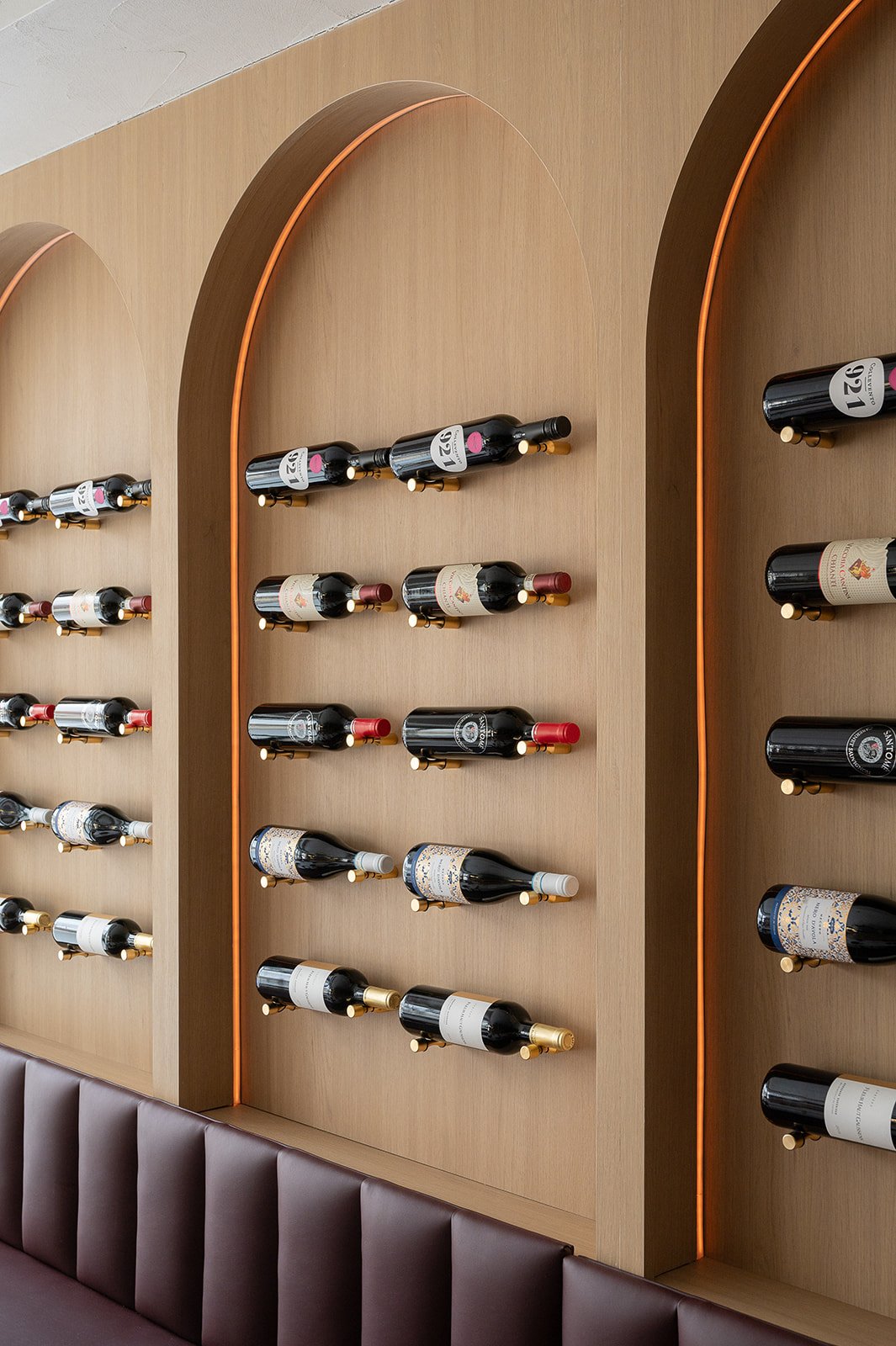
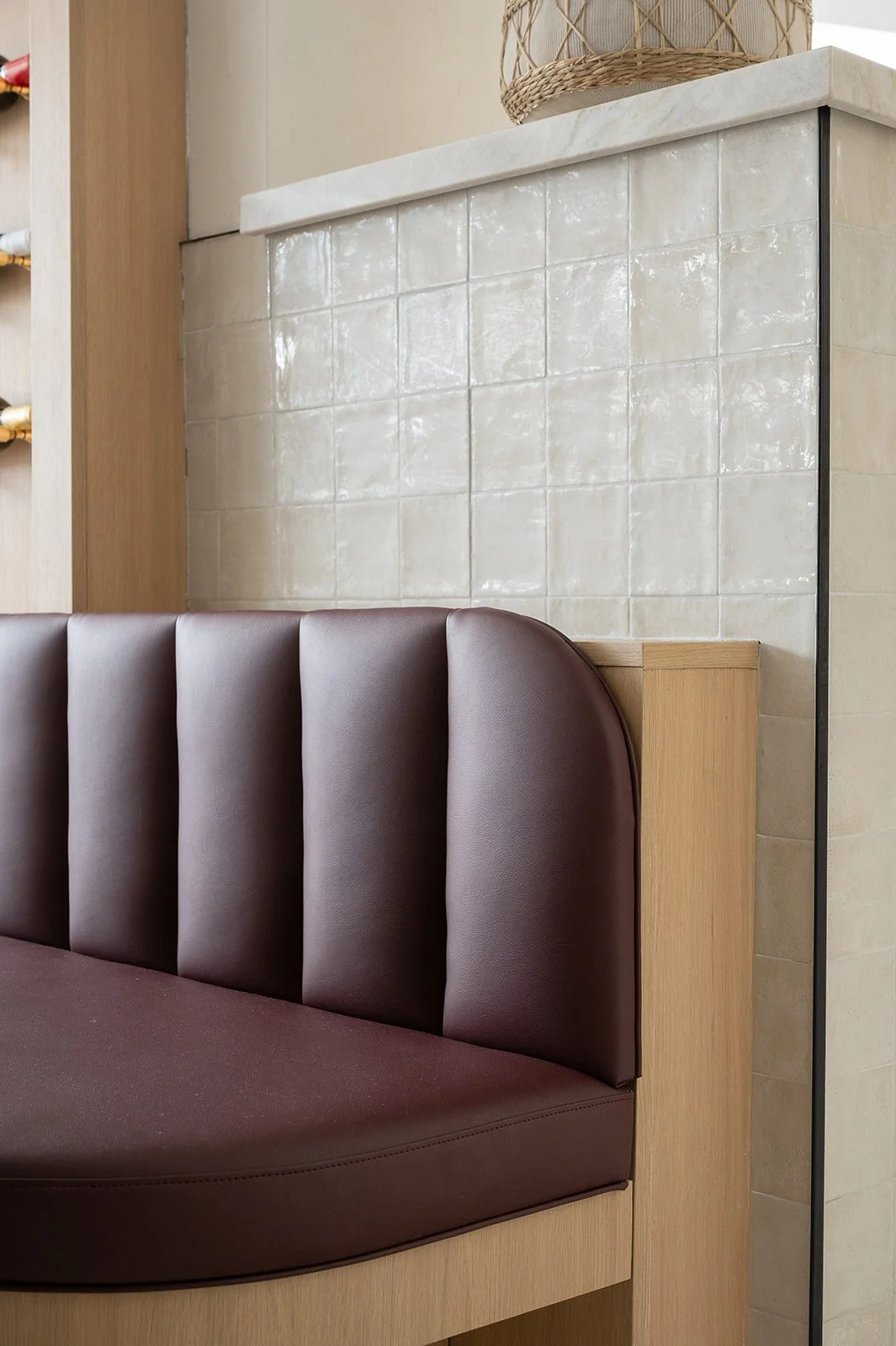
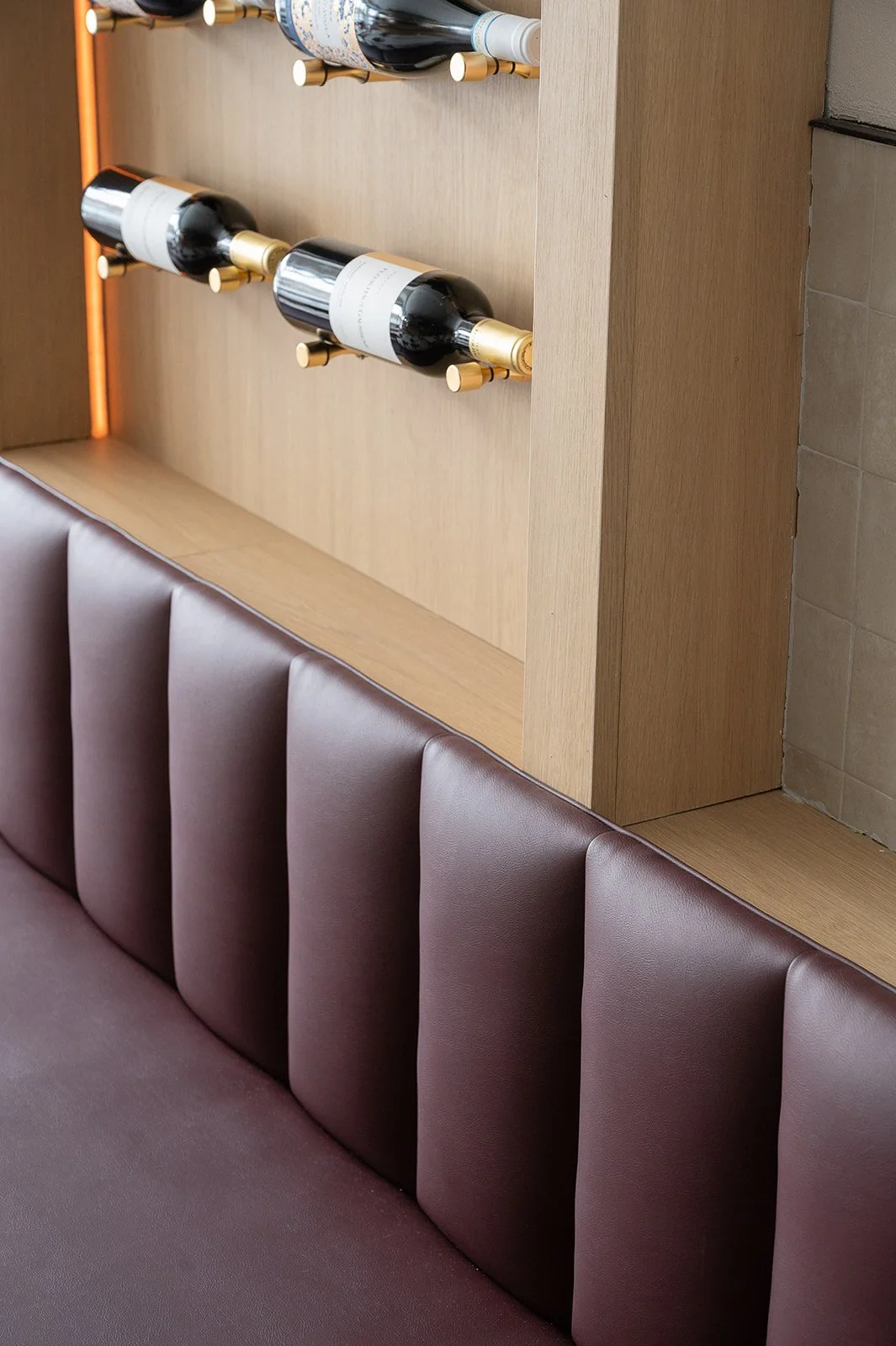
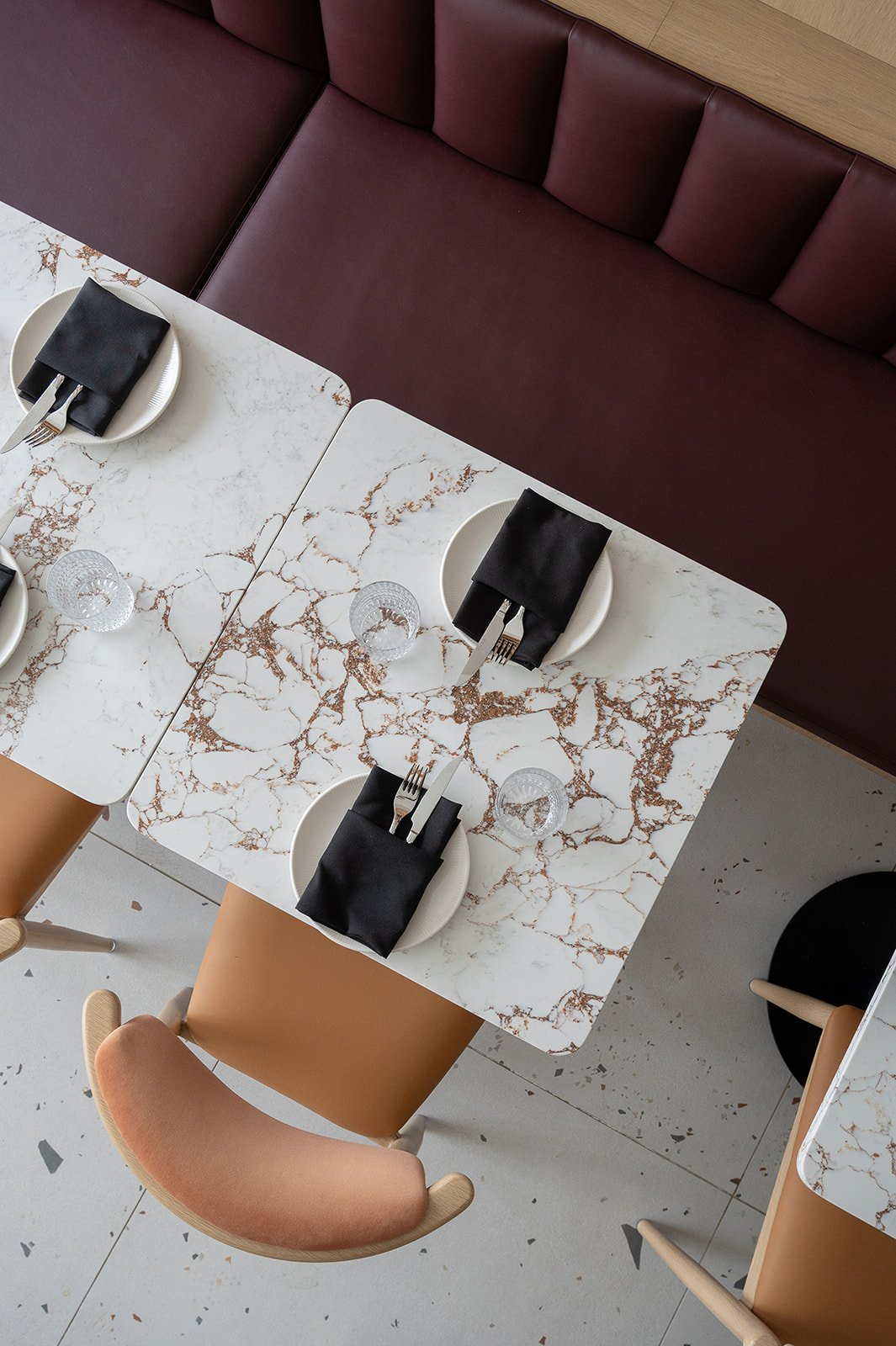
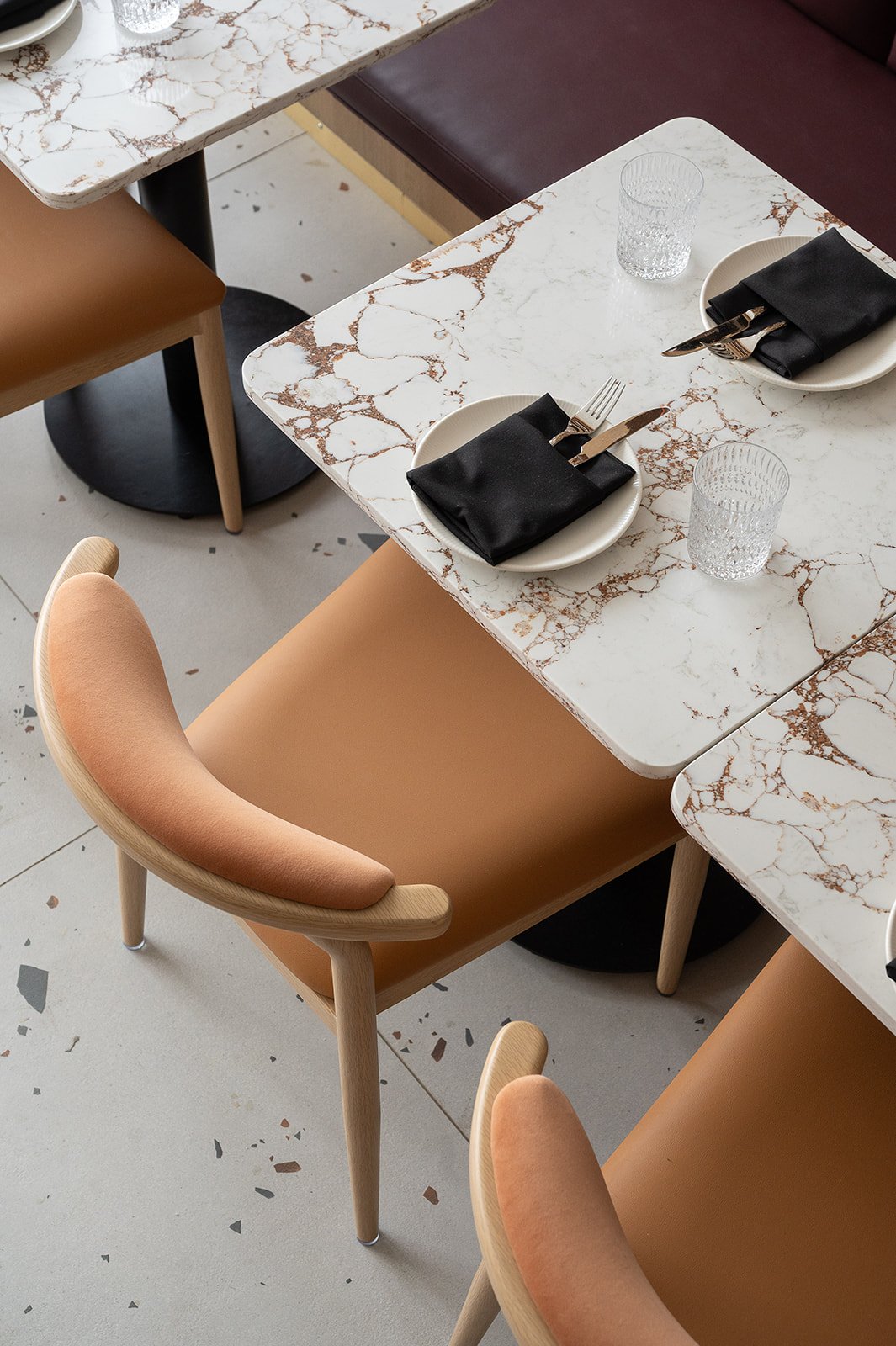
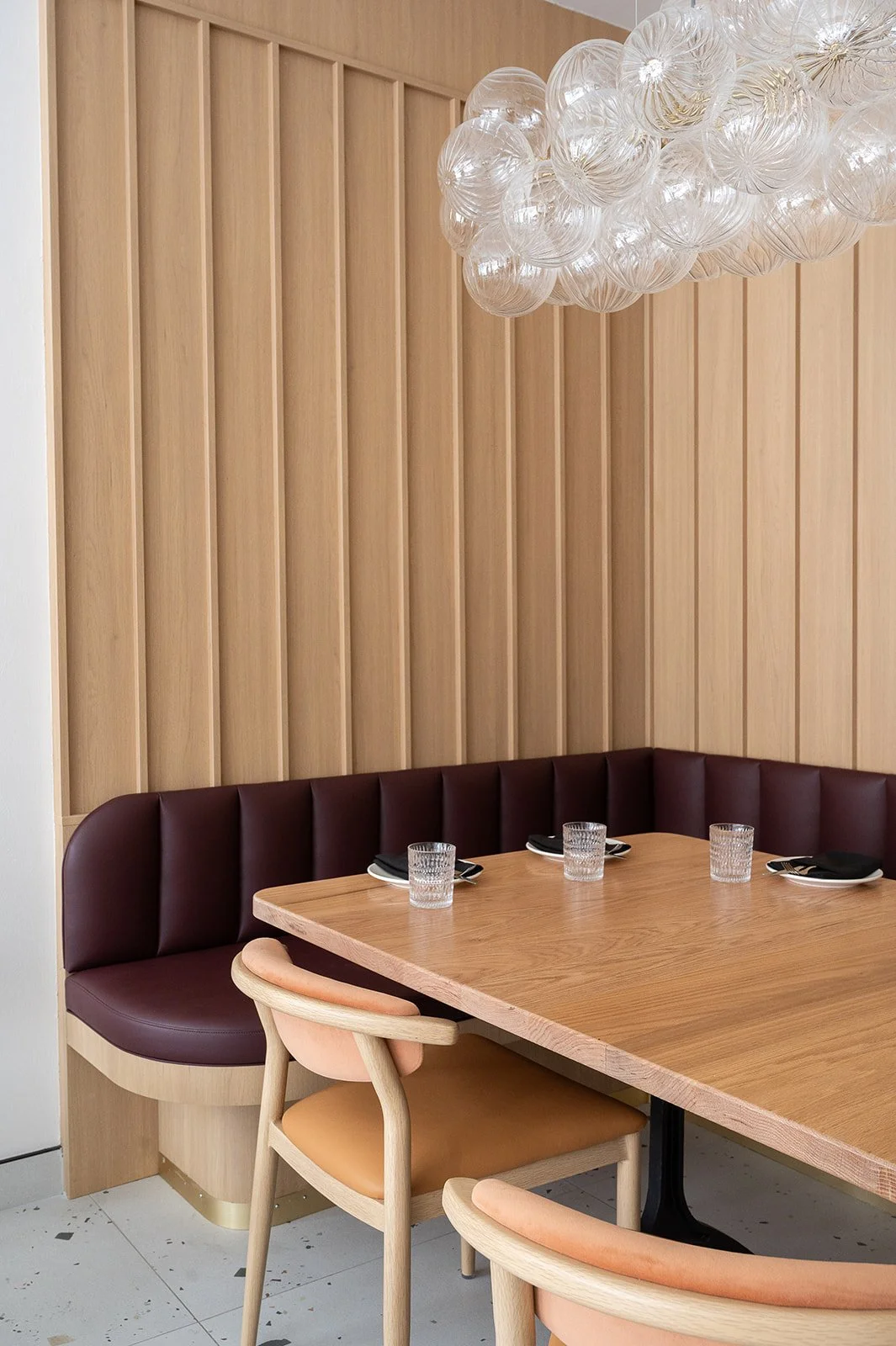
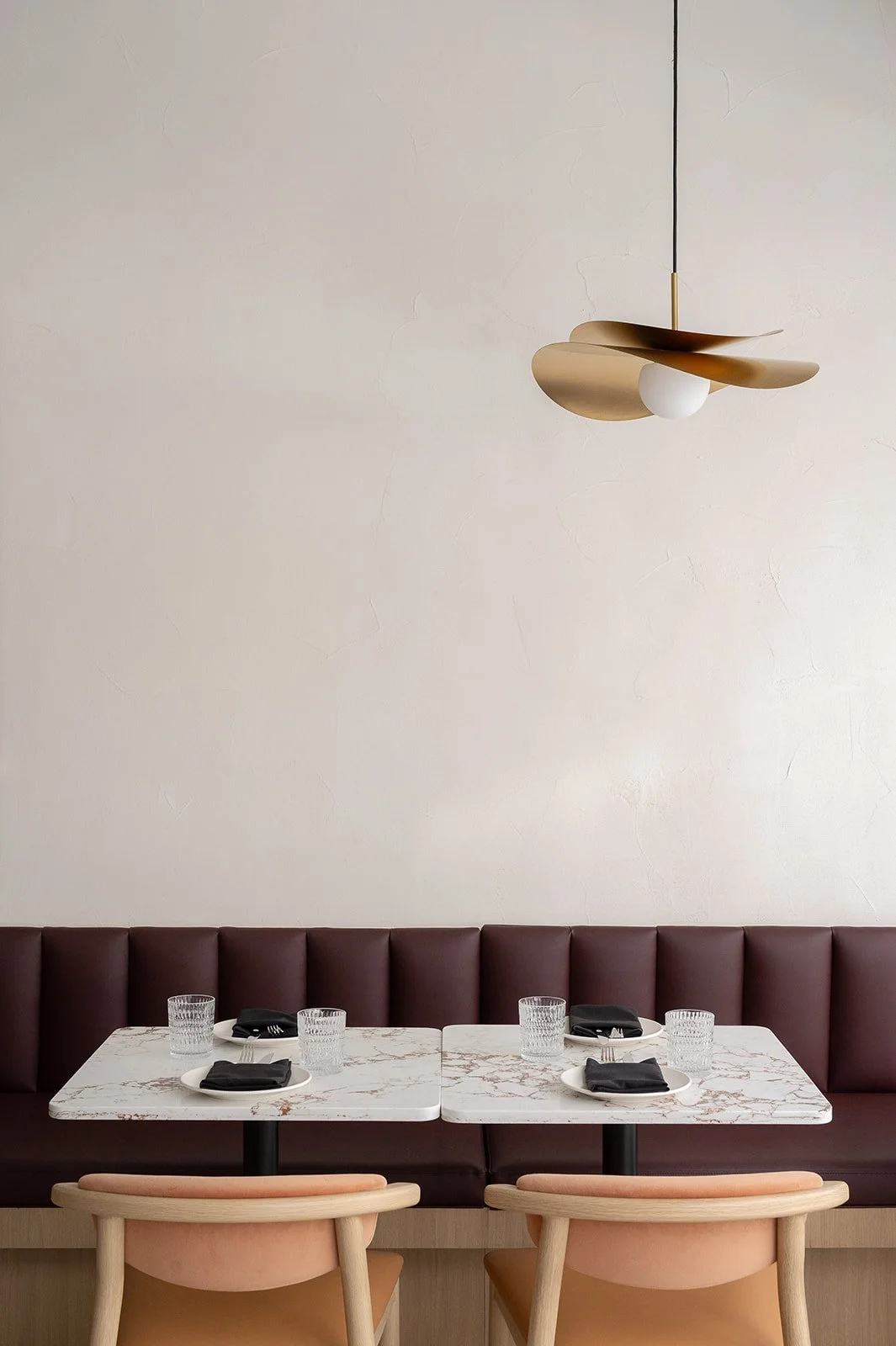
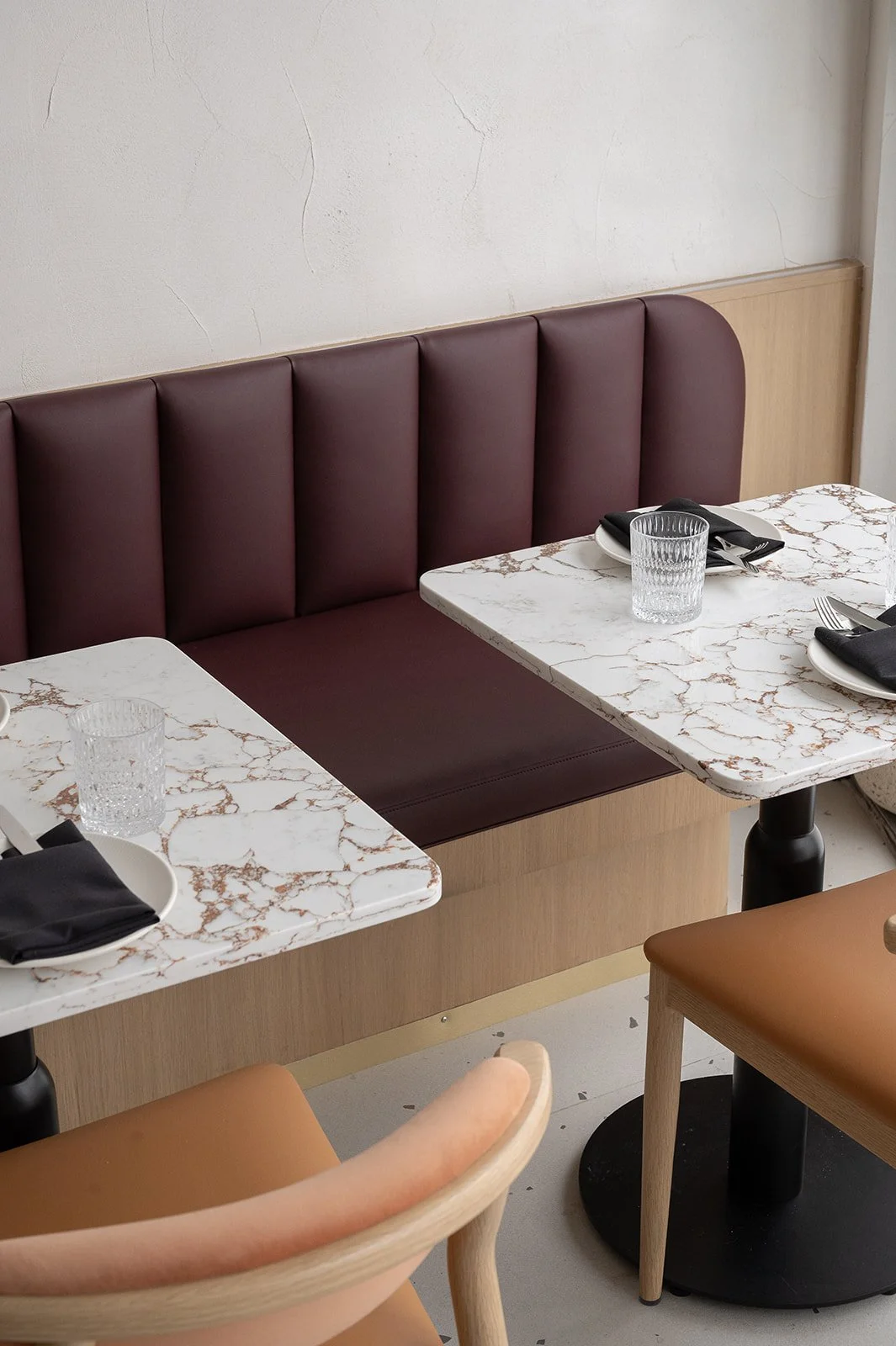
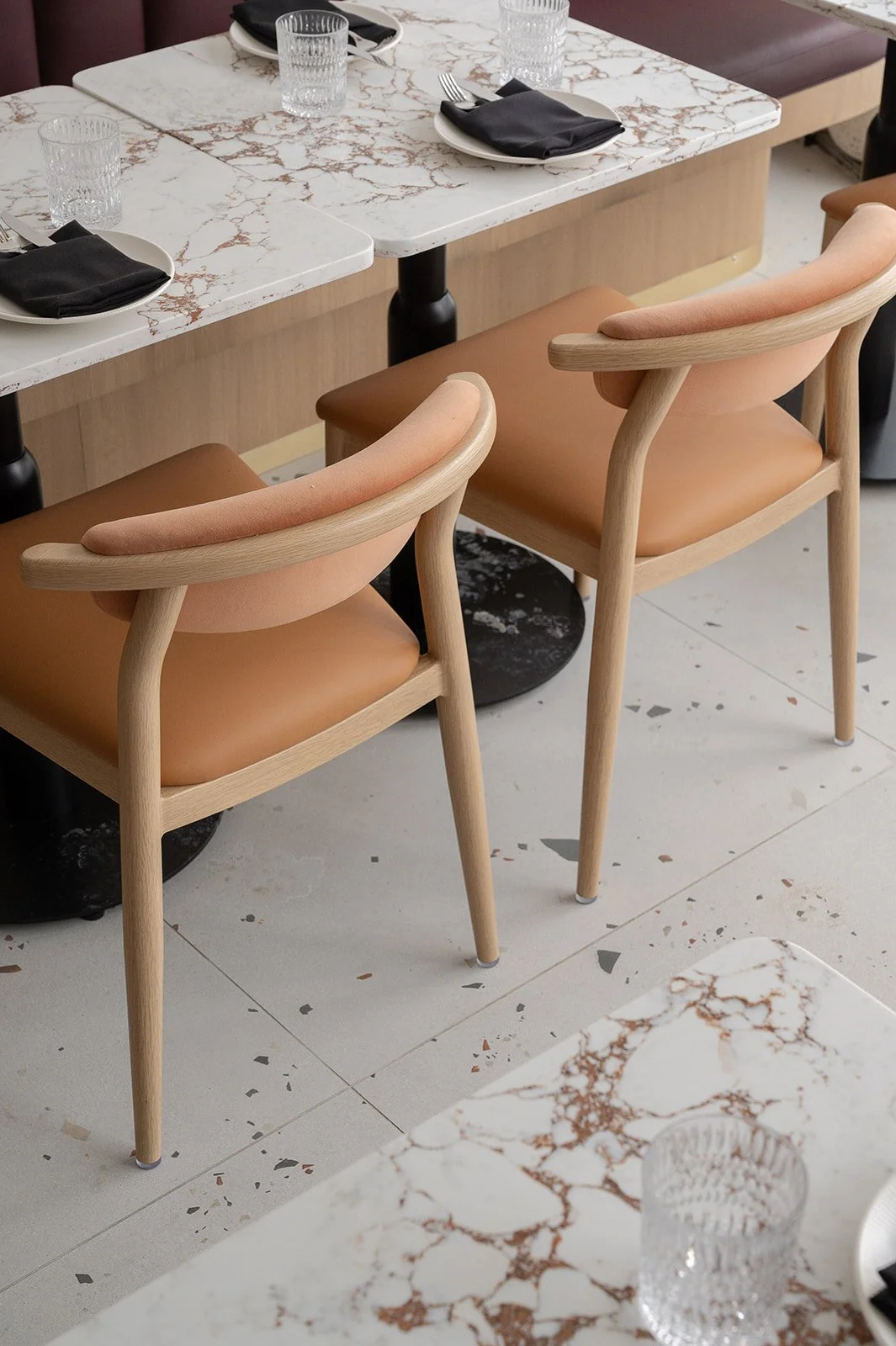
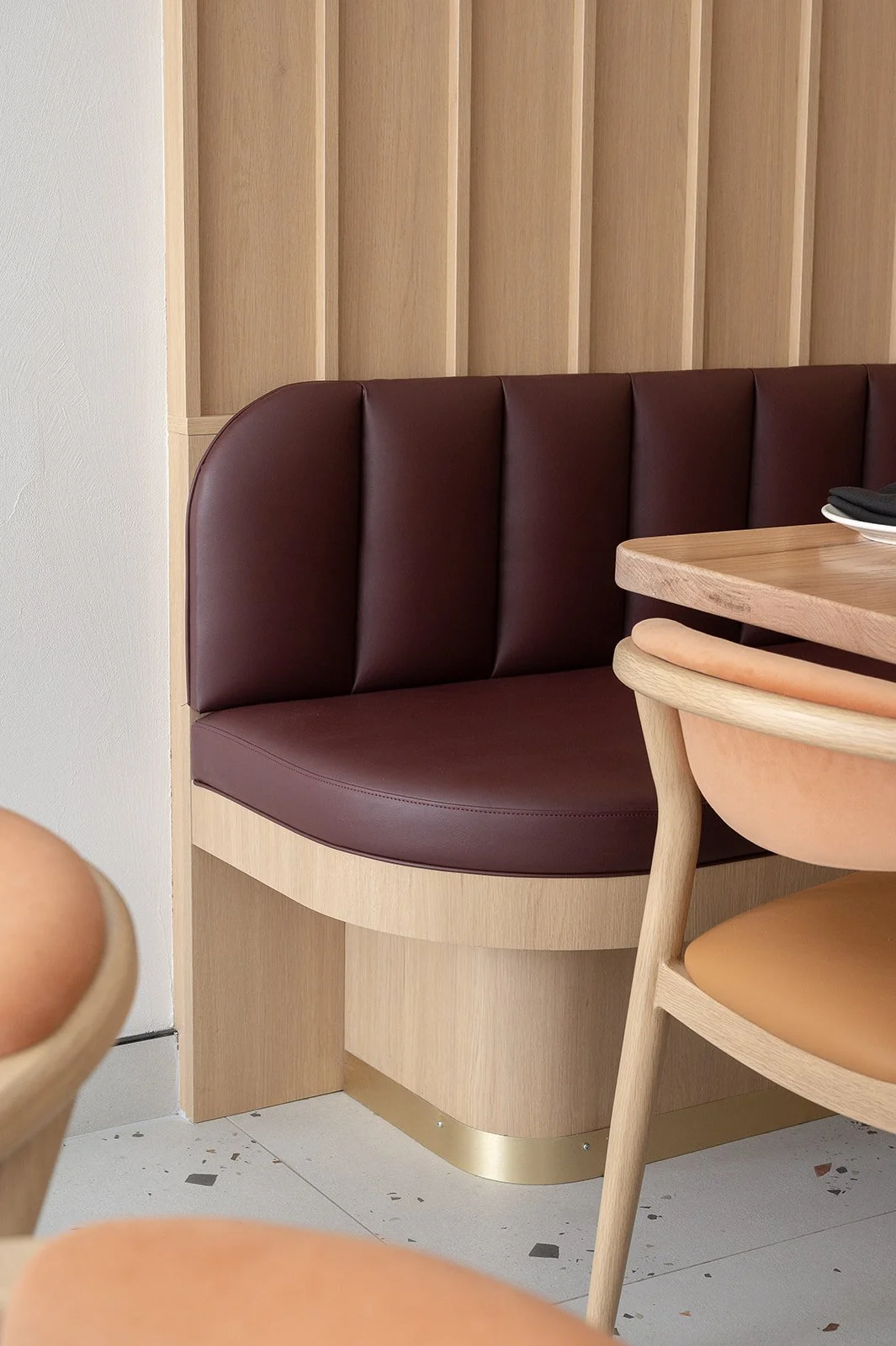
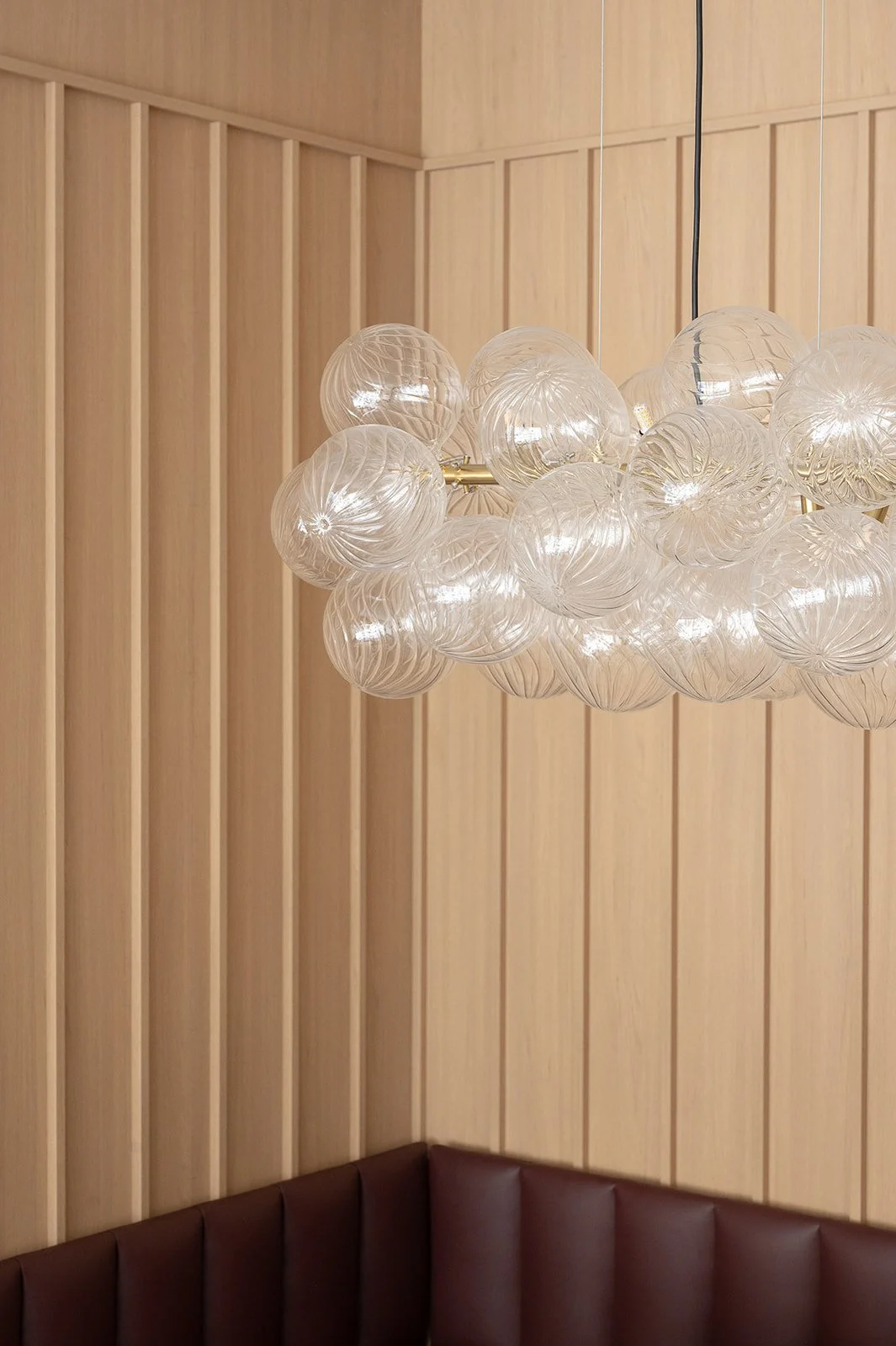
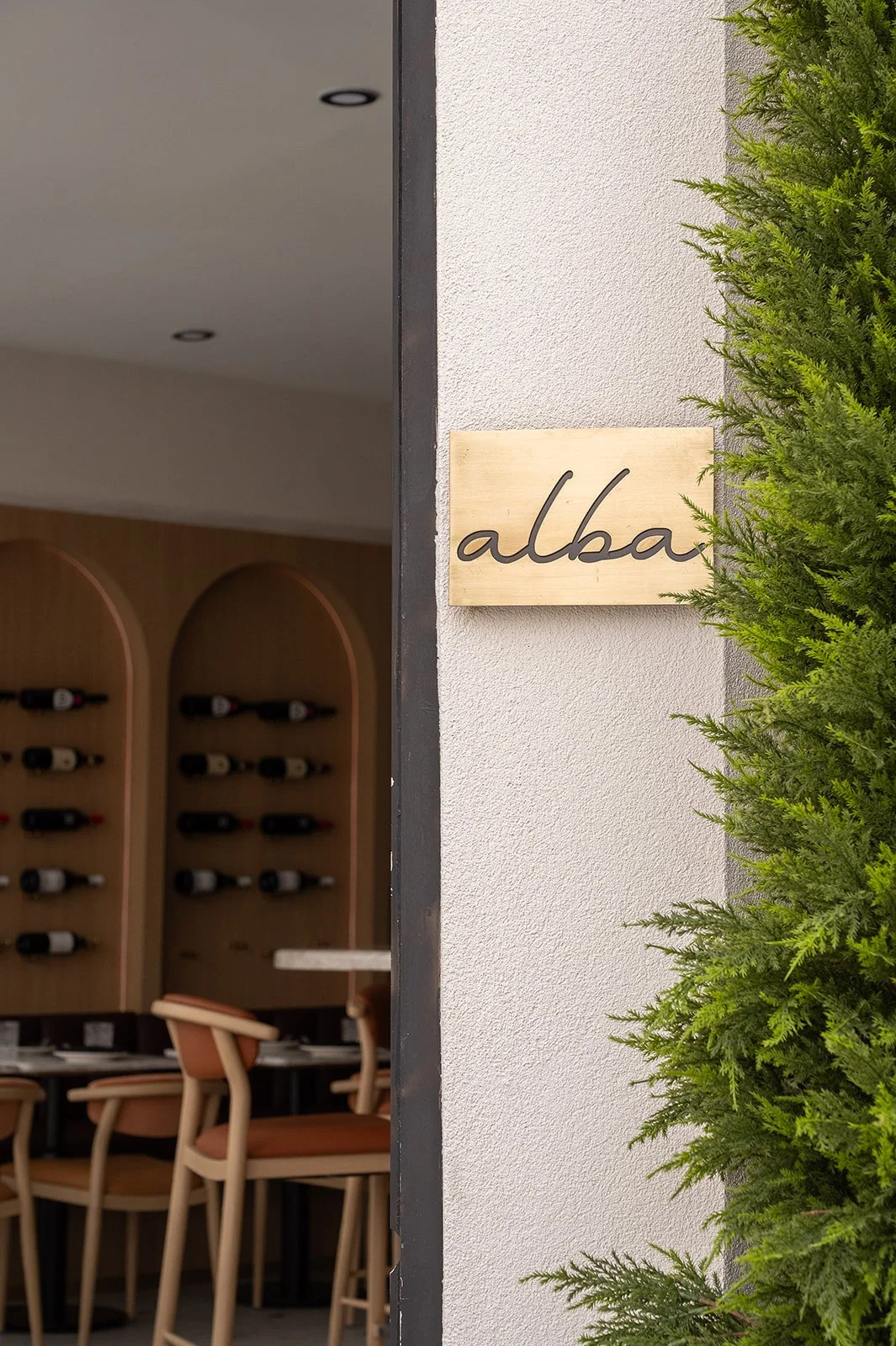
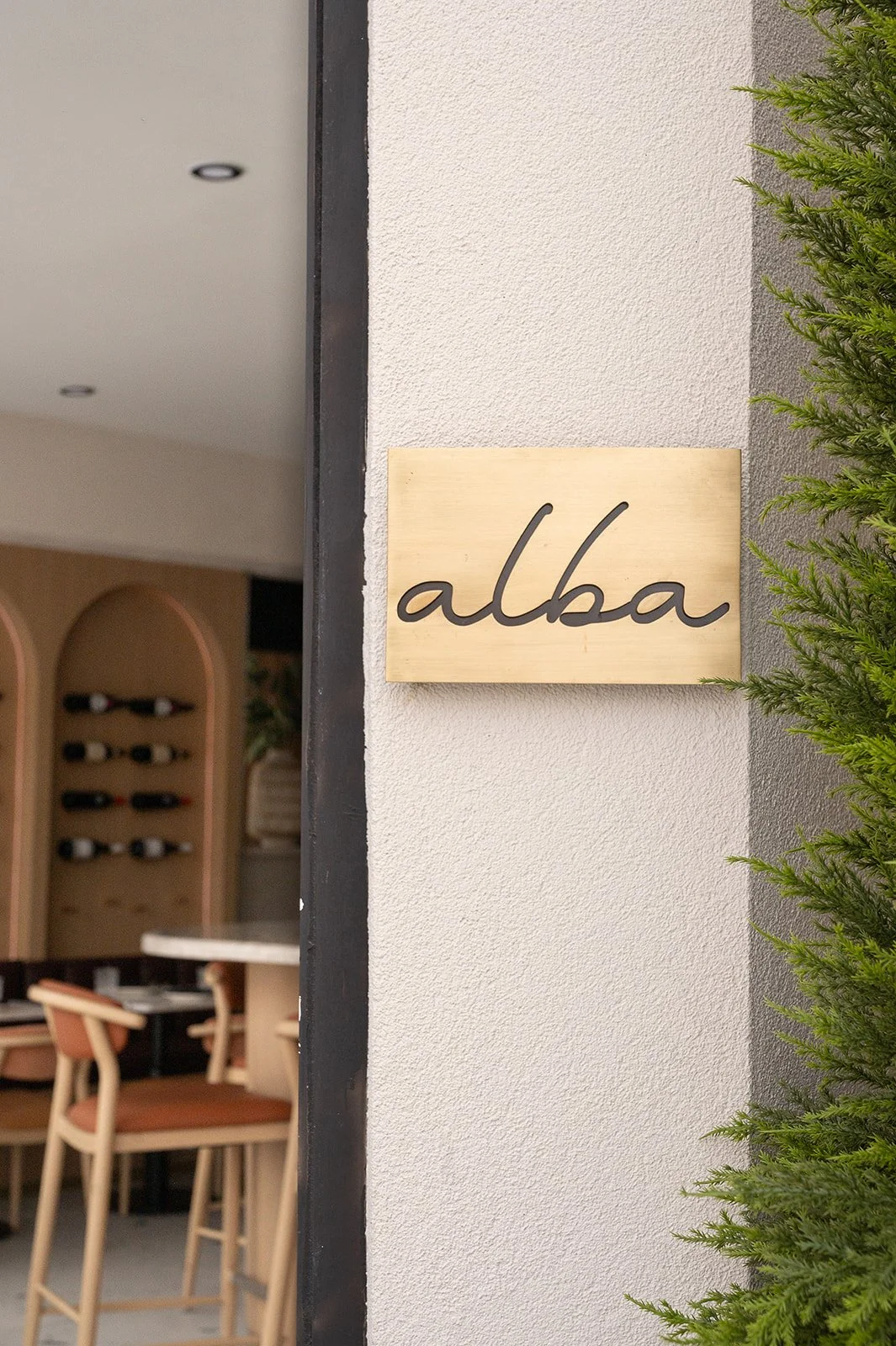
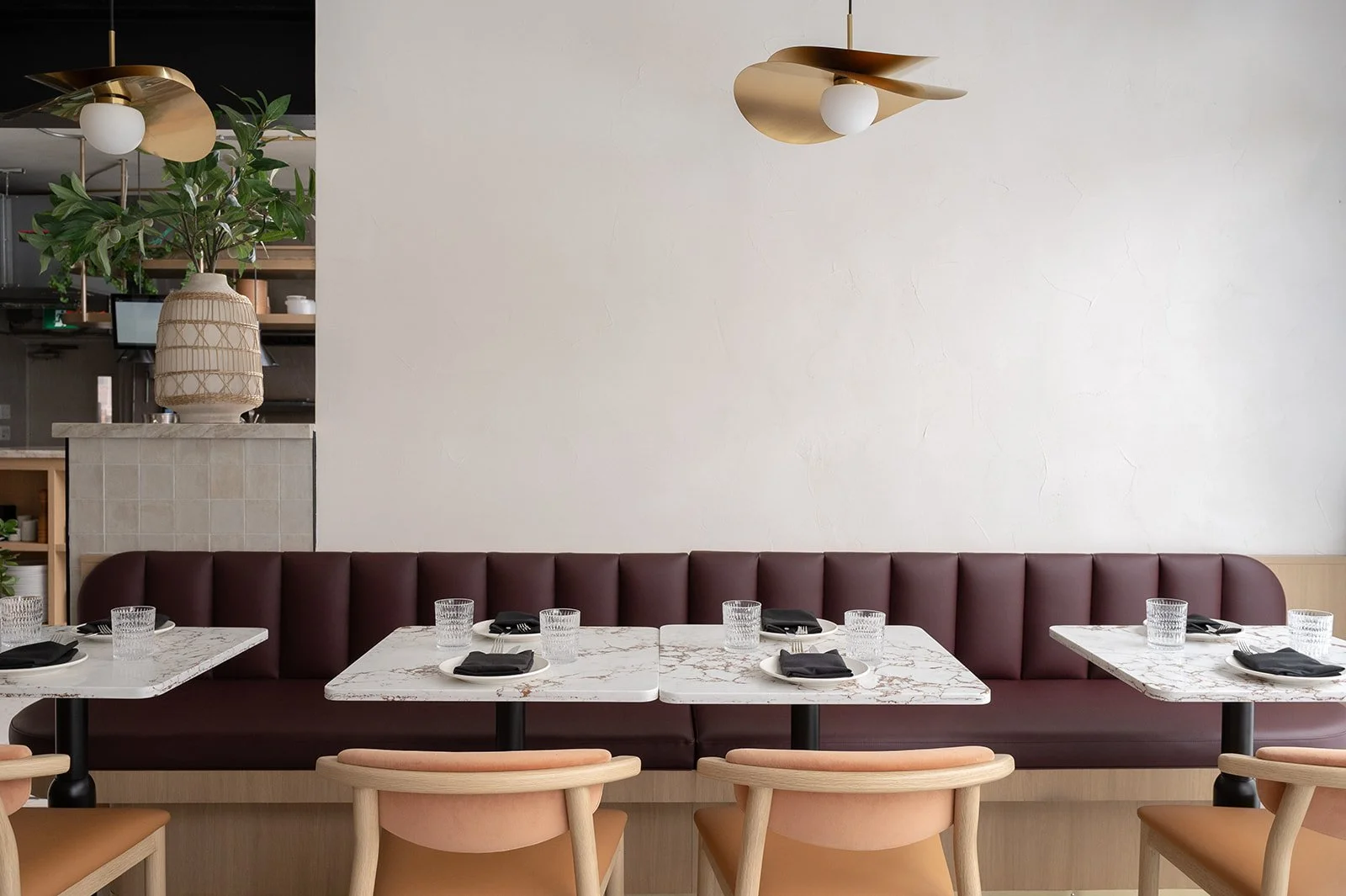
Soft stone surfaces and terrazzo-inspired textures introduce a sense of lightness, while rich wood tones add depth and grounding to the interior. These materials work together to create visual contrast without overwhelming the space, allowing for a calm and cohesive environment. The inclusion of brushed brass accents, seen in both lighting fixtures and decorative elements, adds a layer of sophistication while enhancing the overall warmth of the palette.
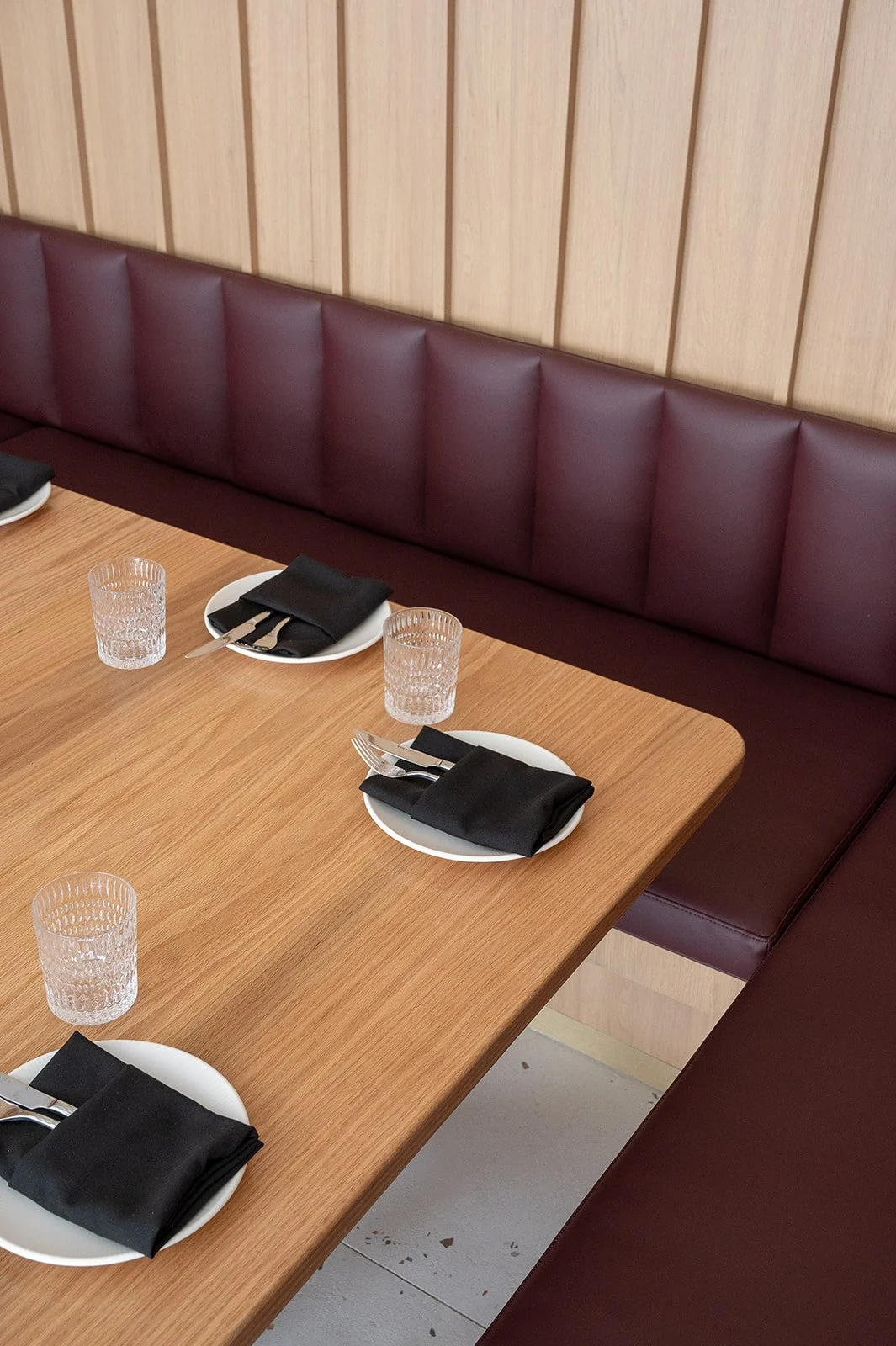
A muted colour scheme of neutrals is complemented by deeper tones, including soft burgundy and earthy hues, which bring a sense of richness and intimacy to the space. Textured wall finishes and fluted detailing introduce subtle architectural interest, reinforcing the design language without relying on excessive ornamentation.
Lighting plays a key role in shaping the atmosphere, with soft, diffused fixtures selected to enhance materiality and create depth. The overall mood reflects a carefully curated balance between function and aesthetics, resulting in a restaurant interior that feels contemporary, welcoming, and timeless.
Balancing Flow and Function
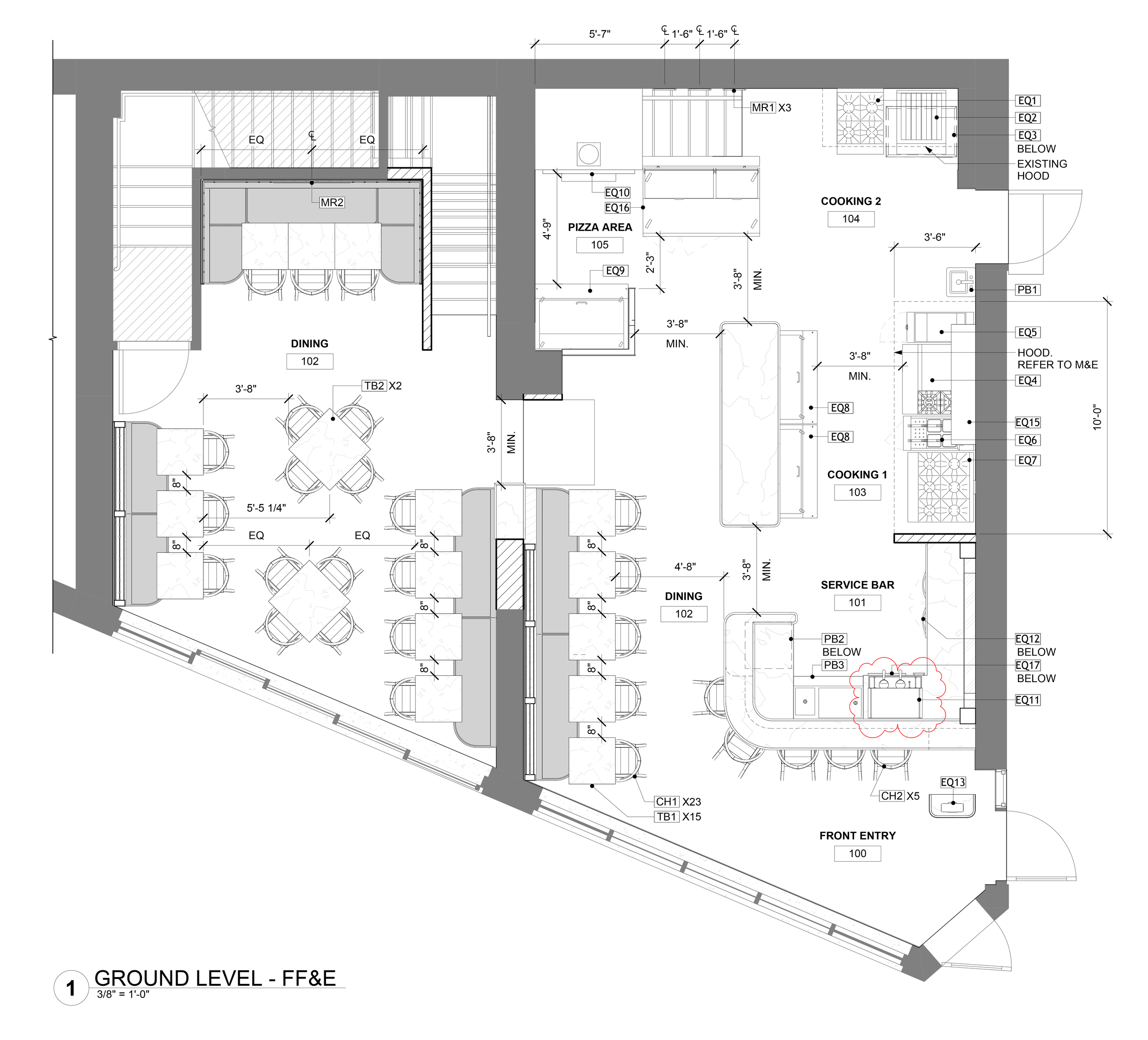
The floor plan for Alba Restaurant was carefully developed to maximize efficiency within a constrained and irregular footprint. As a restaurant interior design project, the layout needed to accommodate operational requirements while maintaining a seamless and engaging guest experience.
The design is organized around a central bar and kitchen axis, which acts as both a functional hub and a visual focal point. This layout ensures clear circulation, allowing guests and staff to move efficiently through the space while maintaining strong visual connections between key areas. The open kitchen design reinforces transparency, aligning with the overall concept of visibility and interaction.
Seating arrangements were strategically distributed to optimize capacity without compromising comfort. The front area is designed to be more social and interactive, while the rear transitions into quieter, more intimate dining zones. Banquette seating, flexible tables, and bar seating provide options for different group sizes and dining preferences.
Despite the spatial limitations, the floor plan achieves a sense of openness through careful zoning and layout decisions. It balances practicality with experience, ensuring that the restaurant operates efficiently while delivering a cohesive and inviting interior environment.
Explore how this approach translates across similar projects in our commercial interior design portfolio.
Before and After
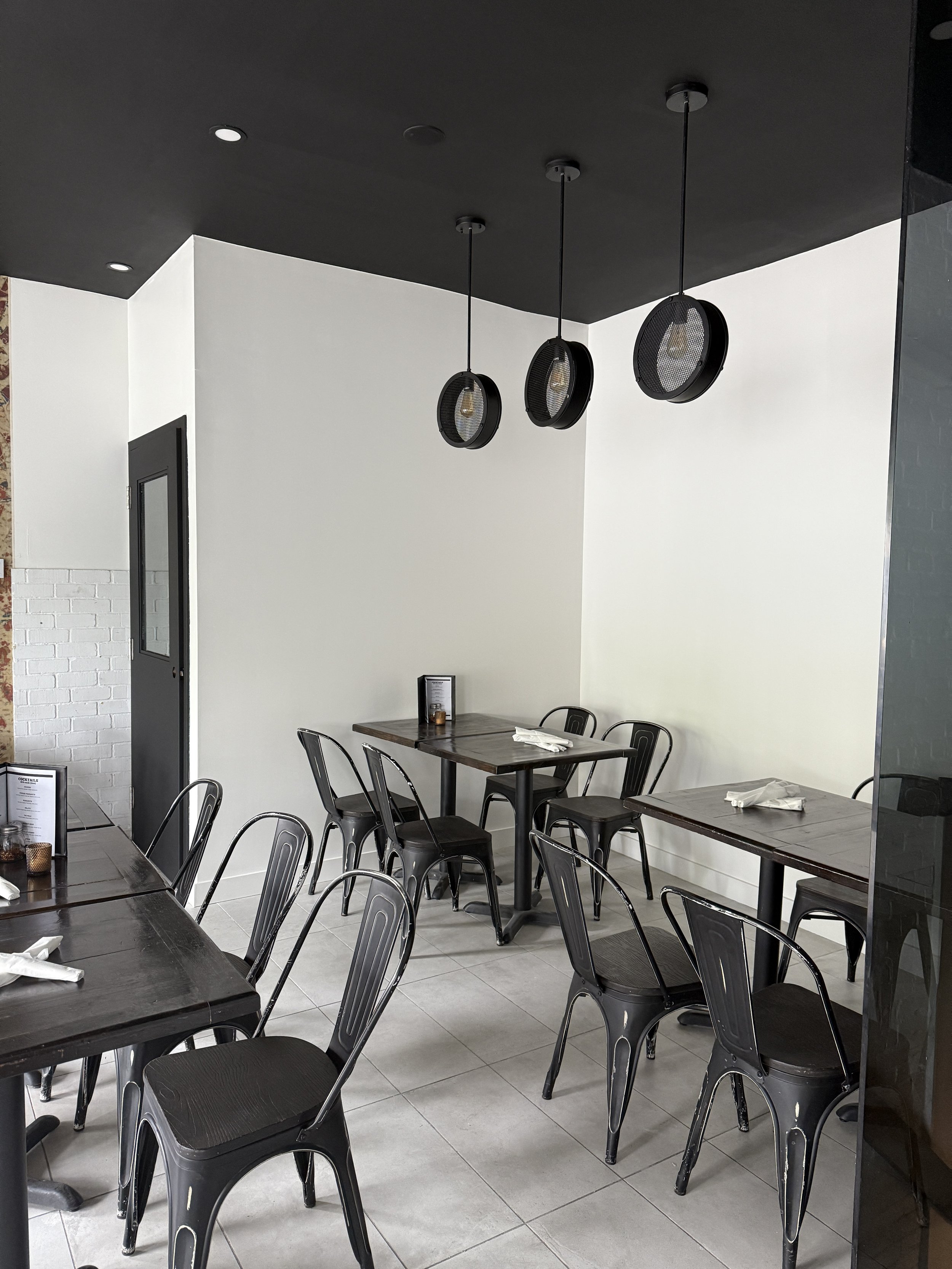
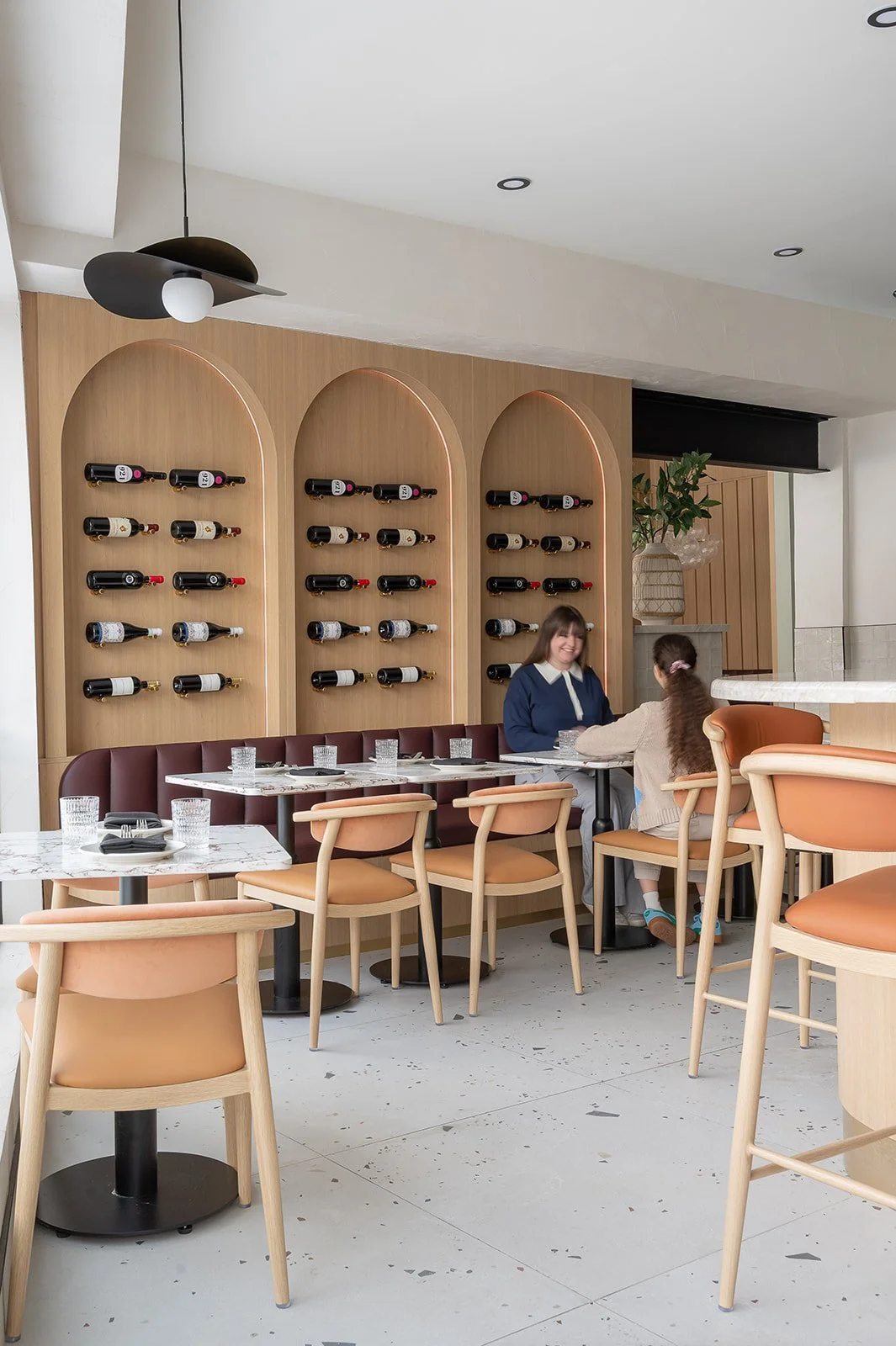
From a simple and functional dining area with limited spatial identity, defined by stark high contrast finishes, minimal lighting, and a layout that lacked warmth and visual engagement.
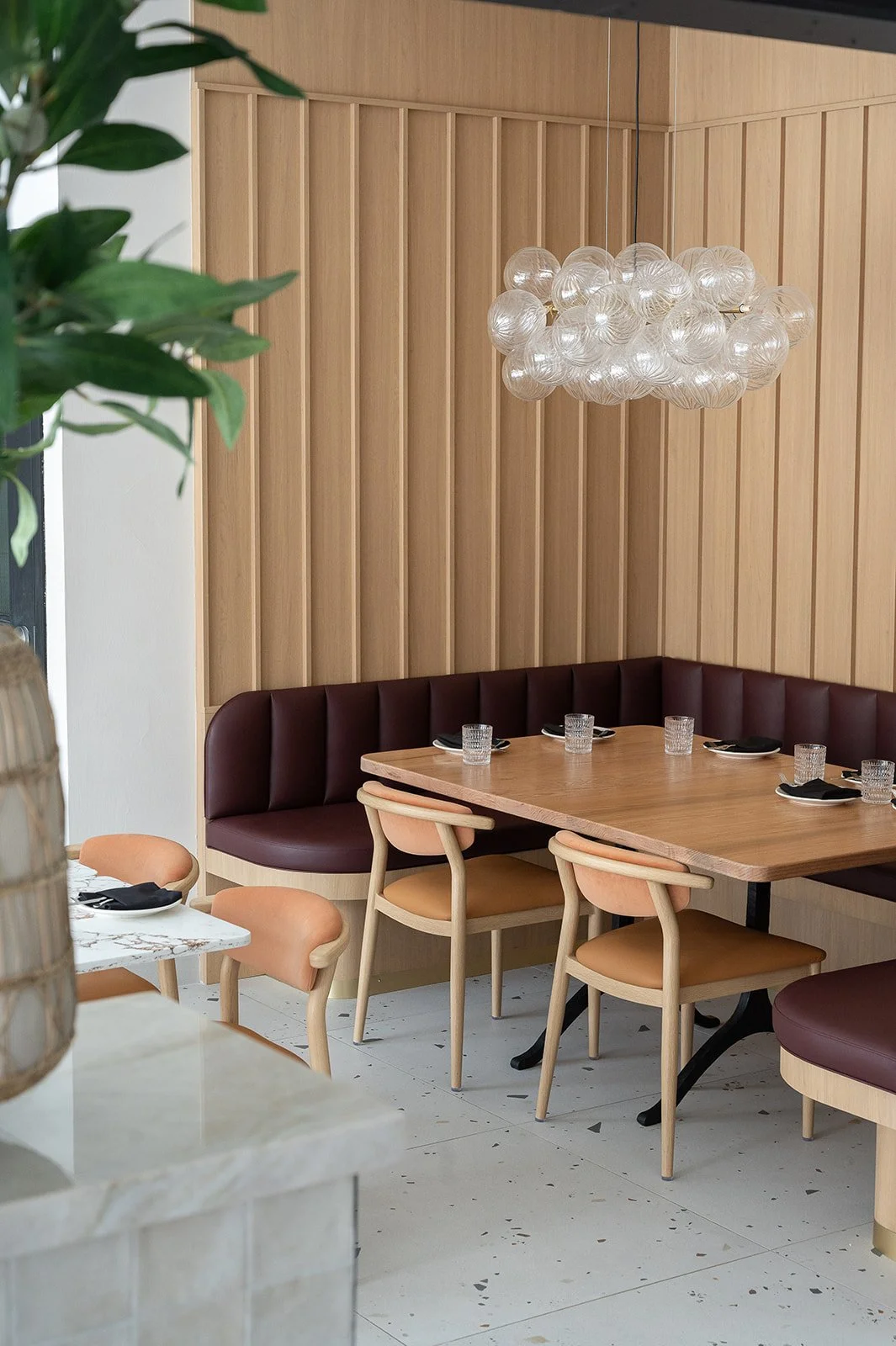
To a redesigned dining space that introduces a warm, modern Italian-inspired interior with natural wood panelling and layered lighting, creating a more inviting and refined restaurant experience.
Design Problem Solving
1. How do permitting delays affect a restaurant build-out in Toronto?
One of the primary challenges during the project was navigating permitting delays caused by an existing open permit tied to the previous tenant. Before the new permit application could proceed, all outstanding items associated with the previous permit needed to be resolved and formally closed out. This resulted in extensive coordination and ongoing communication with the landlord, consultants, and city officials to rectify the situation. The process added complexity to the project timeline and required careful management to keep the project moving forward while permit-related issues were addressed.
2. How do you work around structural constraints in a restaurant fit-out?
Another key challenge was the presence of a central structural wall, which significantly disrupted the natural spatial flow of the restaurant and limited layout flexibility. As this element was load-bearing, removal was not an option, requiring a design-led solution that worked with the constraint rather than against it.
The strategy focused on integrating the wall into the overall spatial narrative so it became an intentional part of the design rather than an obstruction. This was achieved by aligning key functional zones and sightlines around the wall, helping to anchor the central bar and adjacent seating areas while maintaining clear circulation paths on either side.
Material transitions, lighting, and detailing were used to soften the visual impact of the structure and help it blend into the surrounding interior language. By treating the wall as a defining architectural feature, the final layout maintains visual continuity and flow while turning a structural limitation into a spatial organizing element.
3. How do you keep a restaurant build-out on budget?
A further challenge arose when the initial design direction exceeded the client’s established budget, requiring a reassessment of both materiality and scope without compromising the overall design intent. The original concept relied on elevated finishes and more complex detailing, which proved difficult to deliver within the financial parameters of the project.
To address this, the design team undertook a careful value-engineering process, exploring alternative materials and construction methods that could achieve a comparable visual and experiential outcome. Priority was given to retaining the core design intent (warmth, texture, and a refined modern aesthetic) while identifying more cost-effective substitutes where possible.
The Final Results
The final result of Alba Restaurant is a thoughtfully designed interior that successfully transforms a compact space into an open, engaging, and highly functional dining environment. This restaurant interior design project demonstrates how strategic planning and material selection can elevate both experience and efficiency.
The open kitchen and centrally positioned pizza oven create a strong visual focal point, drawing guests into the energy of the space and reinforcing the concept of transparency. This design approach enhances engagement, allowing diners to connect with the process of food preparation while contributing to the overall atmosphere.
The use of warm materials, layered lighting, and soft architectural elements creates a space that feels inviting and cohesive. Despite the small footprint, the interior achieves a sense of openness through careful zoning, mirrors, and an airy visual palette. Seating arrangements provide flexibility, catering to both social interactions and more intimate dining experiences.
Functionality is seamlessly integrated, with storage, equipment, and service areas designed to support efficient operations without disrupting the visual flow. The result is a balanced interior that meets both operational and experiential needs.
Alba Restaurant ultimately delivers a refined dining environment where design, function, and atmosphere come together to create a memorable guest experience.
Feeling Inspired?
If you're in Toronto or GTA and looking for a full floral shop & cafe interior design, we'd love to design it for you.
Contact us and let our team of interior designers support you.
Sansa Interiors Inc.
Toronto, Canada
info@sansainteriors.com
(647) 556-3137