
Do You Actually Need an Interior Designer to Open a Coffee Shop in Toronto?
Short answer: not legally. There's no law that requires one. Your contractor doesn't need one on file to break ground.
Longer answer: most clients who try to skip the designer end up spending more money, not less, and opening a space they're less proud of.
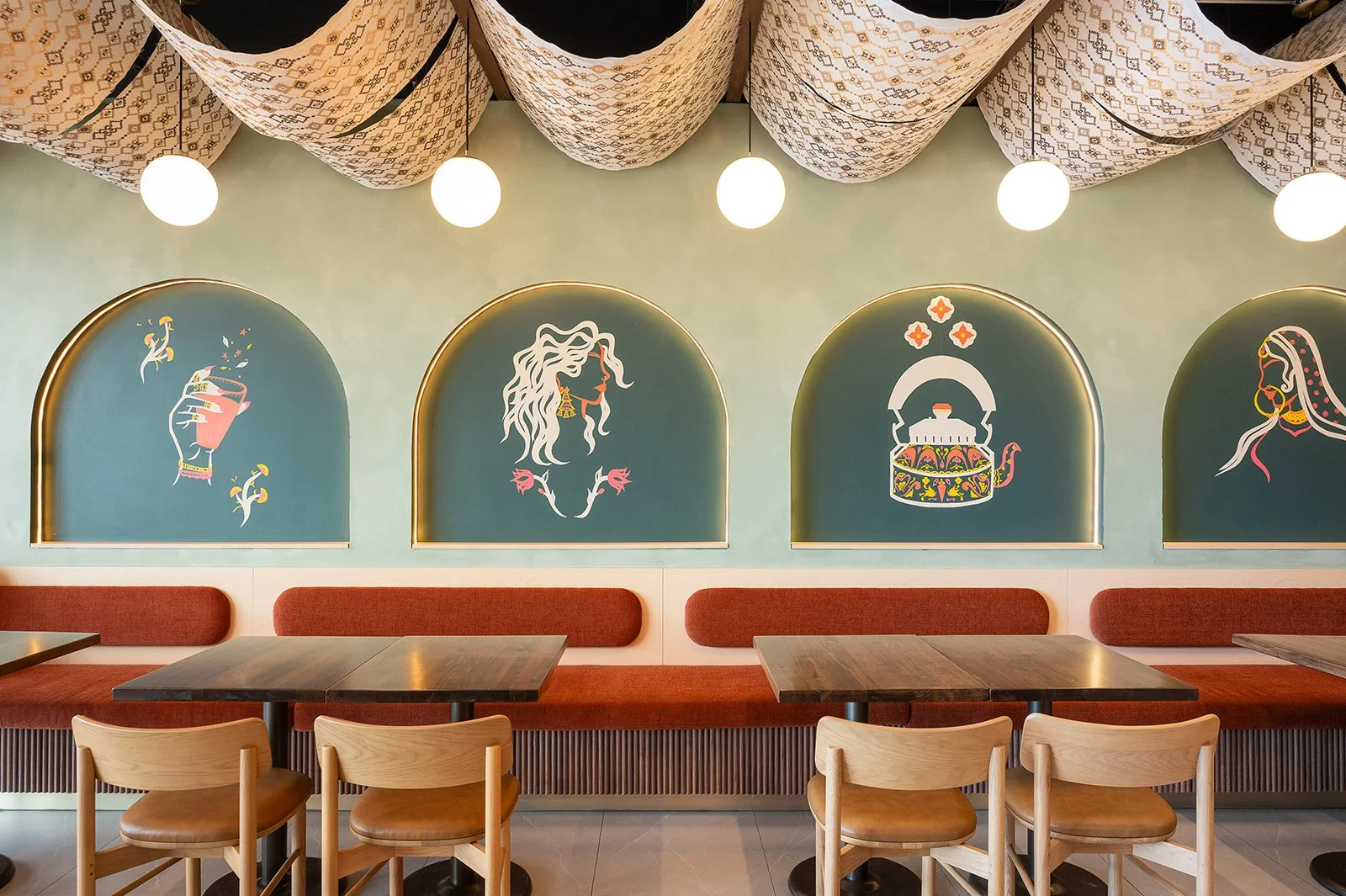
Here's the direct breakdown;
What You're Actually Paying For
When you hire a hospitality interior designer, you're buying three things:
1. Experience with the permit and approval process. Toronto's building permit system rewards complete, accurate documentation. A designer who knows the city's requirements produces drawings that get approved the first time — or close to it. Incomplete drawings get sent back for revision, which adds weeks to your timeline. Those weeks cost money: your lease is running, your staff start date is approaching.
2. Coordination across the entire project. Your contractor builds what they're given. Your kitchen equipment supplier specifies what they sell. Your millworker makes what's on the drawing. Someone needs to make sure all of those things work together — that the exhaust hood clears the height of the millwork above it, that the electrical rough-in is in the right location for the bar equipment, that the floor finish transitions correctly between front-of-house and the kitchen. That someone is your designer.
3. The design itself. A hospitality interior designer with a commercial track record thinks about your space differently than a residential designer or a friend who 'has really good taste.' They're thinking about covers per hour, operational flow, sensory layering, how the space reads on a phone camera, and how it holds up after two years of heavy use.
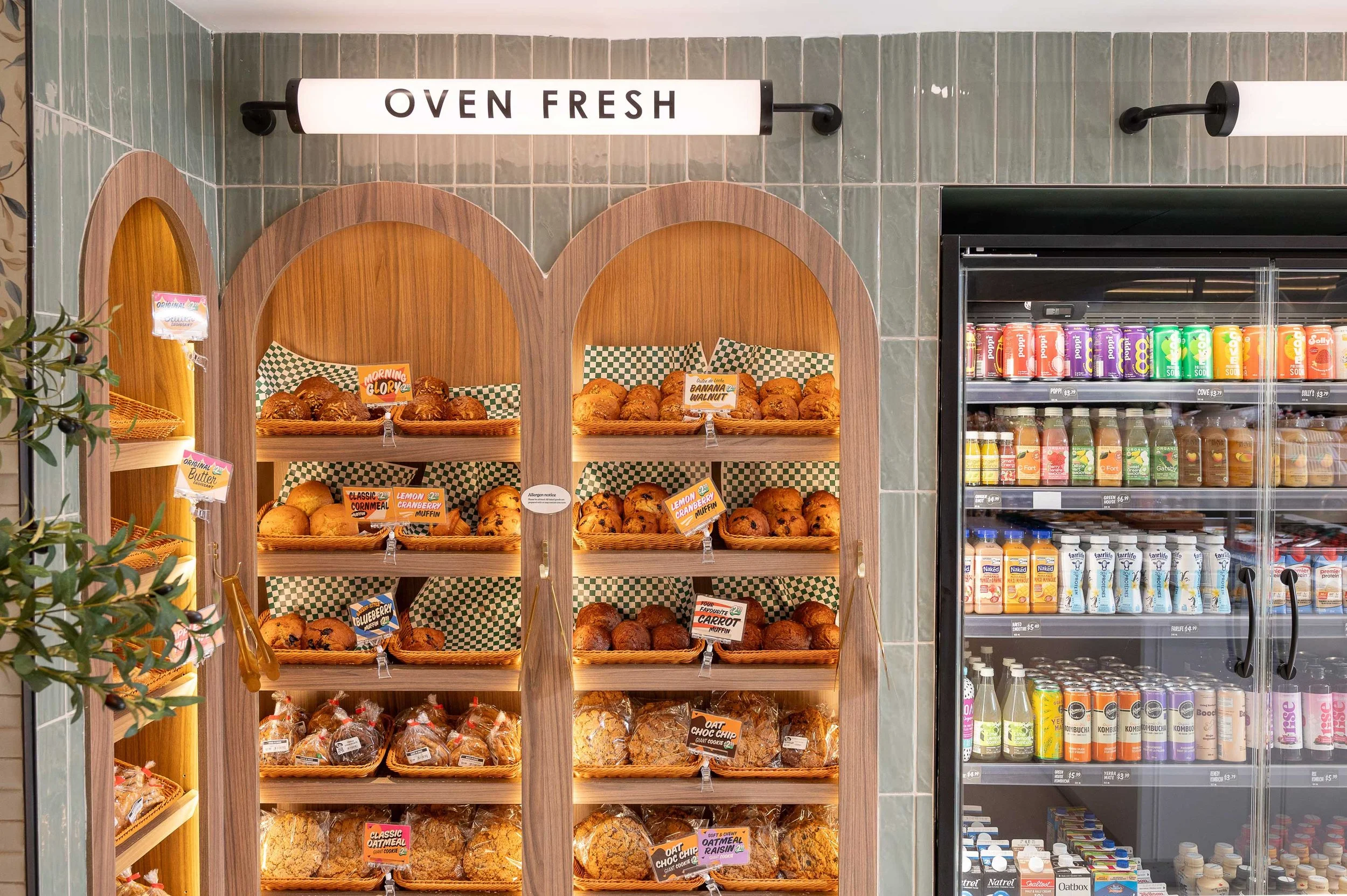
The Things That Go Wrong Without A Designer
The layout that doesn't flow: A coffee shop where the barista crosses the cashier's path twenty times an hour. A restaurant where dirty dishes move through the dining room to reach the kitchen. A café where the queue blocks the door. These are expensive to fix after the fact — and they affect revenue every single day.
The permit drawings that come back for revision: Incomplete or inaccurate drawings go back to the applicant. Each revision cycle adds 4–8 weeks to the review timeline. This is one of the most common causes of Toronto restaurant projects opening three to six months later than planned.
The contractor who makes decisions for you: In the absence of a designer, your general contractor makes design decisions by default. They'll choose the subcontractors they always work with, the materials they're comfortable with, and the details that are easiest to build. That's not your design vision.
The space that doesn't photograph: A space that doesn't read well on camera — bad lighting, awkward sightlines, no focal point — is a marketing problem that persists for years.
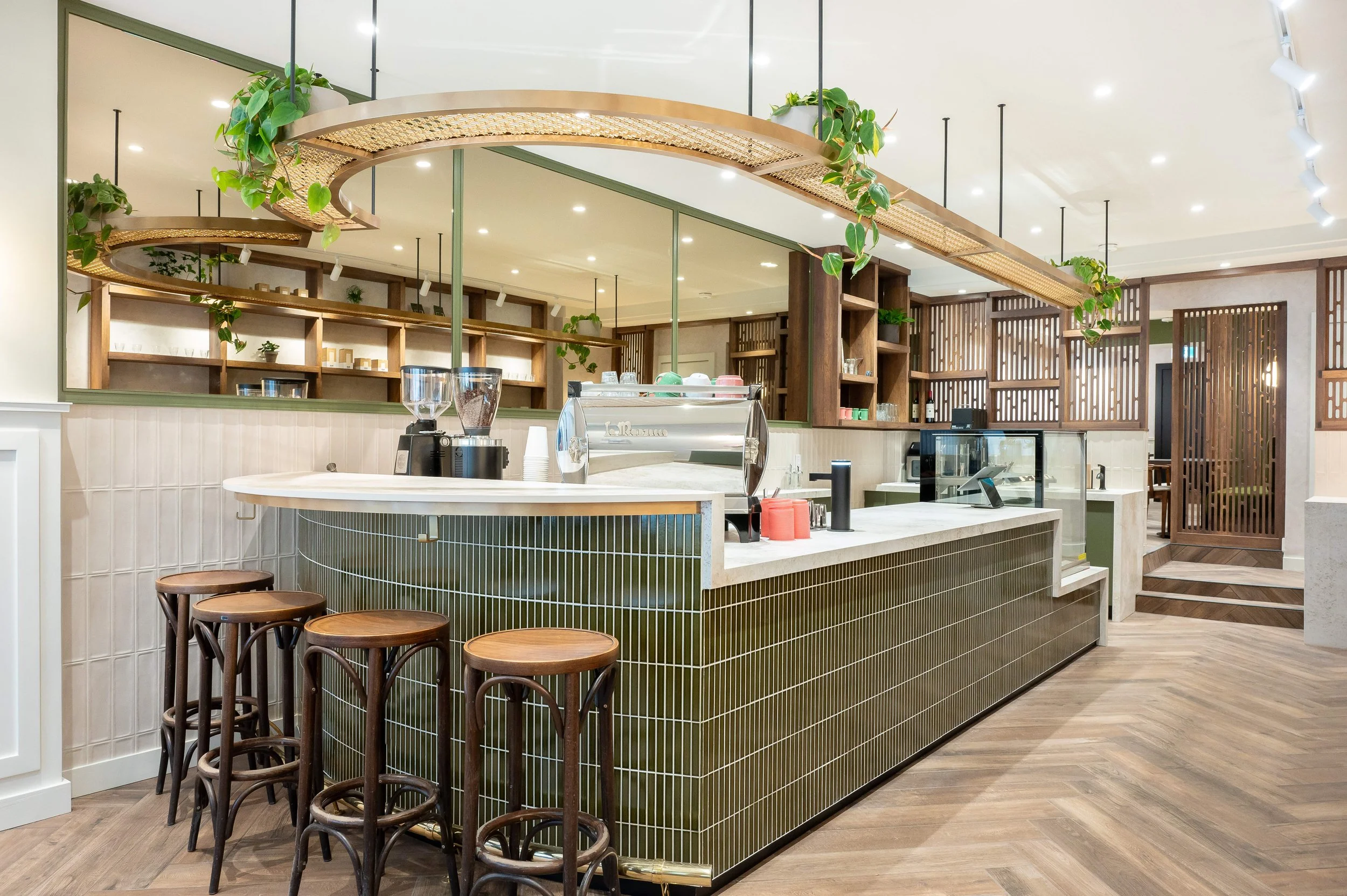
When You Might Actually Be Fine Without One
There are scenarios where skipping a full-scope designer makes sense: You're taking over a turnkey space that was already a restaurant with no major layout changes. You have a very small footprint (under 500 sq ft) and the work is primarily cosmetic. You have a close relationship with a contractor who has significant restaurant experience.
Even in these cases, we'd recommend at minimum a design consultation — a few hours with a hospitality designer to review your layout and materials plan before you commit to anything.
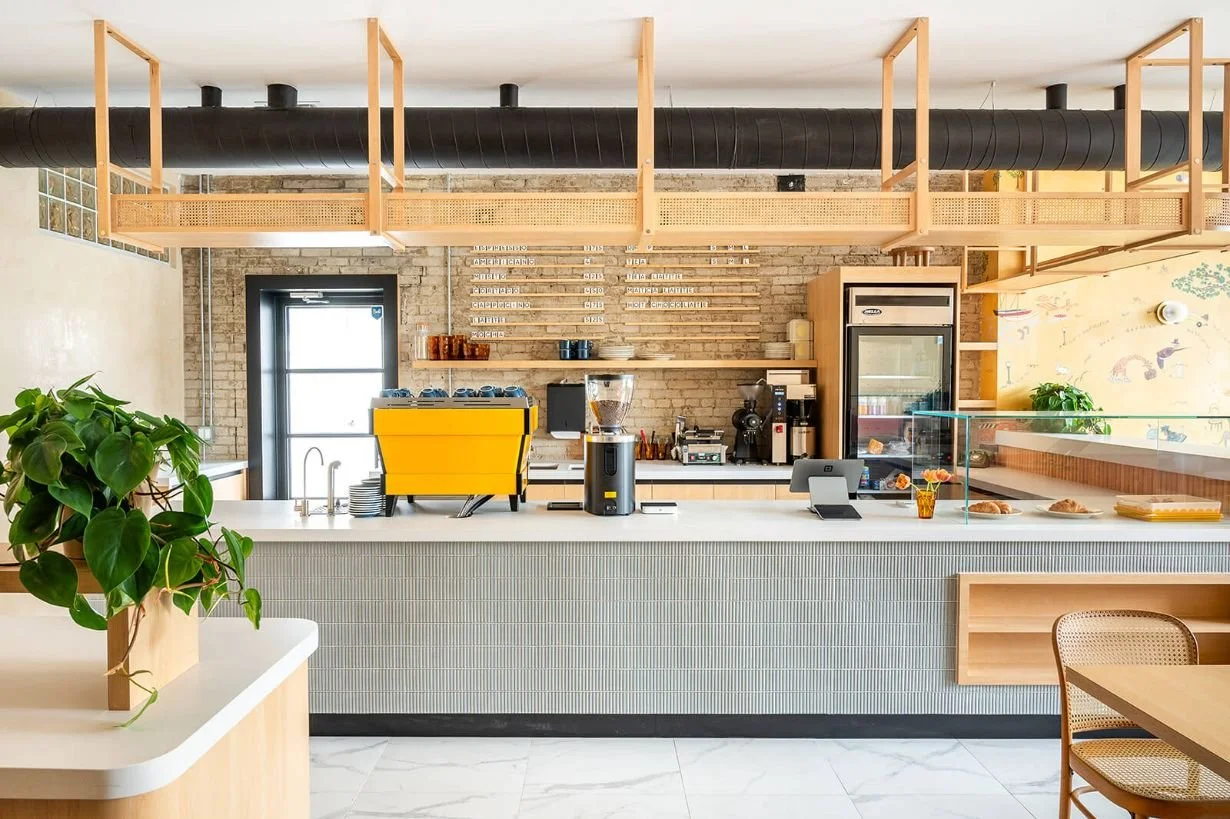
What Does It Actually Cost?
Hospitality interior design fees in Toronto typically run $15,000–$50,000 for a full-scope café or small restaurant project, depending on size and complexity. That covers design development, permit documentation, construction administration, and ongoing coordination throughout the build.
On a $300,000 buildout, that's 5–16% of total project cost. On a space that generates $800,000 a year in revenue, it's a fraction of one month of operations.
The math isn't complicated. It is an investment that will give you a return on your investment.
The Real Question
The real question isn't 'do I need an interior designer?' It's 'what is the cost of getting this wrong?' A café that opens late loses revenue on every day it's dark. A layout that doesn't flow costs your team efficiency — and costs you in labour and turnover. A space with no design identity struggles to build the word-of-mouth and press coverage that drives the first year of business.
You don't have to hire us. But hire someone who's done this before.
Here's what working with Sansa looks like.
Frequently Asked Questions
Do I legally need an interior designer to open a coffee shop in Toronto?
No. There’s no legal requirement to hire an interior designer to open a café or restaurant in Toronto — a contractor can pull permits without one. But owners who skip a designer typically spend more on revisions and delays, and end up with a space that doesn’t perform as well.
How much does a hospitality interior designer cost in Toronto?
Hospitality interior design fees in Toronto typically run $15,000–$50,000 for a full-scope café or small restaurant project, depending on size and complexity — roughly 5–16% of a $300,000 buildout.
When is it safe to skip hiring an interior designer?
Mainly in narrow cases: a turnkey space with no major layout changes, under 500 sq ft, work that’s primarily cosmetic, and a contractor with significant restaurant experience. Even then, a short design consultation is worth it before you commit to anything.
Turn Your Coffee Shop Into a High-Performing Space!
At Sansa Interiors, we design intentional cafes that connect people, memorable and have espresso strength impact.